
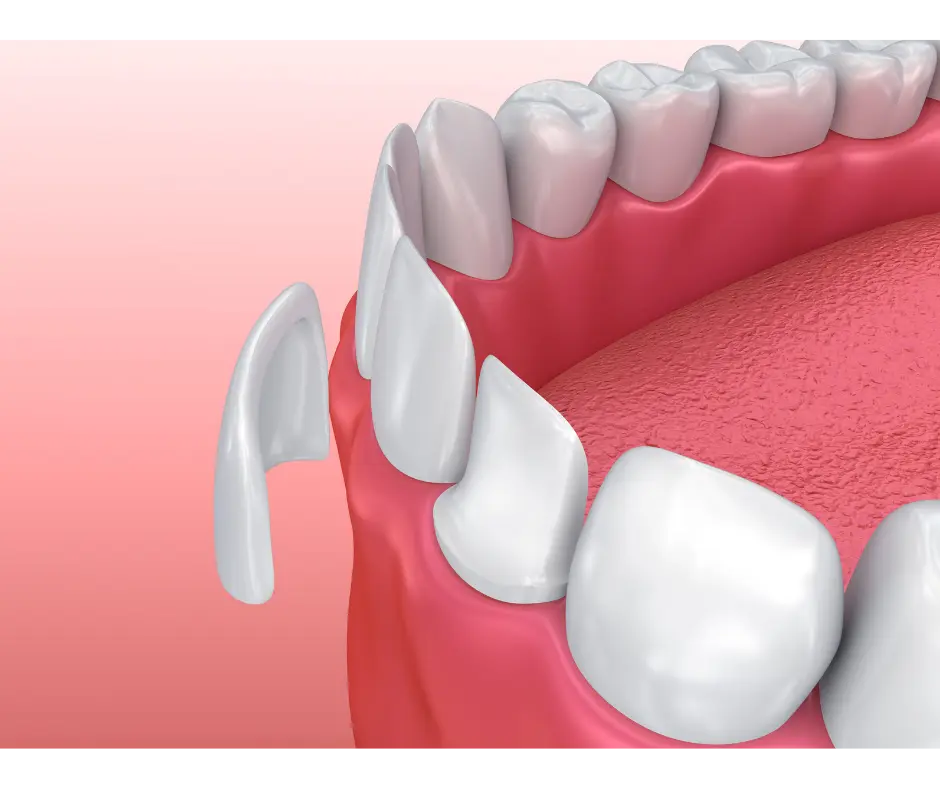
A common question we hear about dental veneers at Valley Dental Turlock is how long they last. With good care, porcelain veneers typically last 10 to 15 years or more, while composite veneers often last around 5 to 7 years before they may need refreshing. The exact lifespan depends far more on your daily habits and gum health than on the veneers themselves.
Here is what influences that lifespan, how you can protect your investment for years to come, and what to do when a veneer finally reaches the end of its life.
What affects how long veneers last
- Oral hygiene: Daily brushing and flossing protect the healthy tooth beneath each veneer.
- Regular dental visits: Routine cleanings and exams let us spot issues early.
- Material: Porcelain is more durable and stain resistant than composite resin.
- Habits: Grinding, biting nails, or chewing ice can chip veneers. A nightguard helps if you grind.
- Gum health: Healthy gums keep the veneer margins sealed and looking seamless.
Notice that most of these come down to everyday choices rather than the veneers themselves. Two patients can receive identical porcelain veneers and see very different lifespans simply because one wears a nightguard and keeps every cleaning while the other grinds, skips checkups, and chews ice. That is encouraging, because it means the lifespan of your veneers is largely in your hands. The quality of placement matters too, which is why an experienced, careful approach to bonding and bite adjustment pays off for years to come.
How to make your veneers last
Care for veneers much like natural teeth, with a few small tweaks. Brush twice a day with a soft brush and a non-abrasive toothpaste, floss daily to keep the gumline healthy, and avoid using your teeth as tools to open packages or crack shells. Steer clear of biting directly into very hard foods like ice, hard candy, or bones, and use scissors instead of your teeth. Keep up with routine checkups so we can monitor your bite and gums, polish the veneers, and manage gum disease early if it appears, since receding gums are a common reason veneers start to show their age. If you grind your teeth at night, a custom nightguard is one of the simplest and most effective ways to add years to your veneers. It also helps to be mindful at meals, cutting hard or sticky foods into smaller pieces and chewing them with your back teeth rather than biting straight down with your veneered front teeth. None of this requires major lifestyle changes, just a little awareness, and the payoff is a smile that stays bright and intact for as long as possible.
Daily habits that quietly shorten veneer life
- Nighttime grinding: Clenching puts extreme force on the bonded edges and is a leading cause of chips. A nightguard is the easiest fix.
- Chewing on hard objects: Pens, fingernails, and ice can crack even strong porcelain.
- Skipping cleanings: Plaque and tartar at the gumline can lead to recession that exposes veneer margins.
- Abrasive whitening pastes: Gritty products can dull composite and scratch the polish over time.
- Heavy staining habits: Coffee, red wine, and tobacco stain composite faster and can darken the natural tooth around any veneer.
Avoiding these habits costs nothing and is the single biggest factor in how long your veneers stay beautiful.
Signs your veneers need attention
Well-placed veneers should feel smooth and comfortable and look like natural teeth. Contact us if you notice chips, rough edges, sensitivity to hot or cold, a veneer that feels loose or clicks, or dark lines forming near the gumline where the veneer meets the tooth. Sensitivity that lingers, gums that look red or pull away from a veneer, or a veneer that no longer matches the color of your other teeth are also worth a quick look. These issues are far easier to address when caught early, and in many cases a single veneer can be repaired or replaced without redoing your whole smile. Catching a small problem now often prevents a larger, costlier one later, so do not wait to ask. You can always reach out with questions or schedule a visit for a quick check.
What happens when a veneer reaches the end of its life
Even well-cared-for veneers eventually wear, and replacing one is a routine, predictable process. We remove the old veneer, evaluate the tooth underneath, and take a fresh impression or scan for a new restoration. Because the underlying tooth was conservatively shaped the first time, replacement usually does not require removing significant additional structure. If the tooth beneath has developed decay or has weakened over the years, we may recommend a filling first or, in more involved cases, a crown for fuller protection. We will review timing, options, and financing so you can plan ahead. When you are ready, book an appointment for an evaluation.