

Infants and Toddlers
Good oral health begins long before your baby's first tooth appears. At Valley Dental Turlock, we help parents across Turlock and the surrounding communities build healthy habits from day one, so little ones grow up comfortable in the dental chair and confident in their smiles.
Even before that first tooth arrives, you can start caring for your baby's gums. After feedings, wrap a clean, damp washcloth around your index finger and gently sweep over the gums. This does two things: it clears away any fragments of milk or food, and it builds the foundation for lifelong oral hygiene habits. The more your baby gets used to having their mouth cleaned, the more comfortable they will be when a toothbrush is introduced.
Oral Hygiene Habits for Little Ones
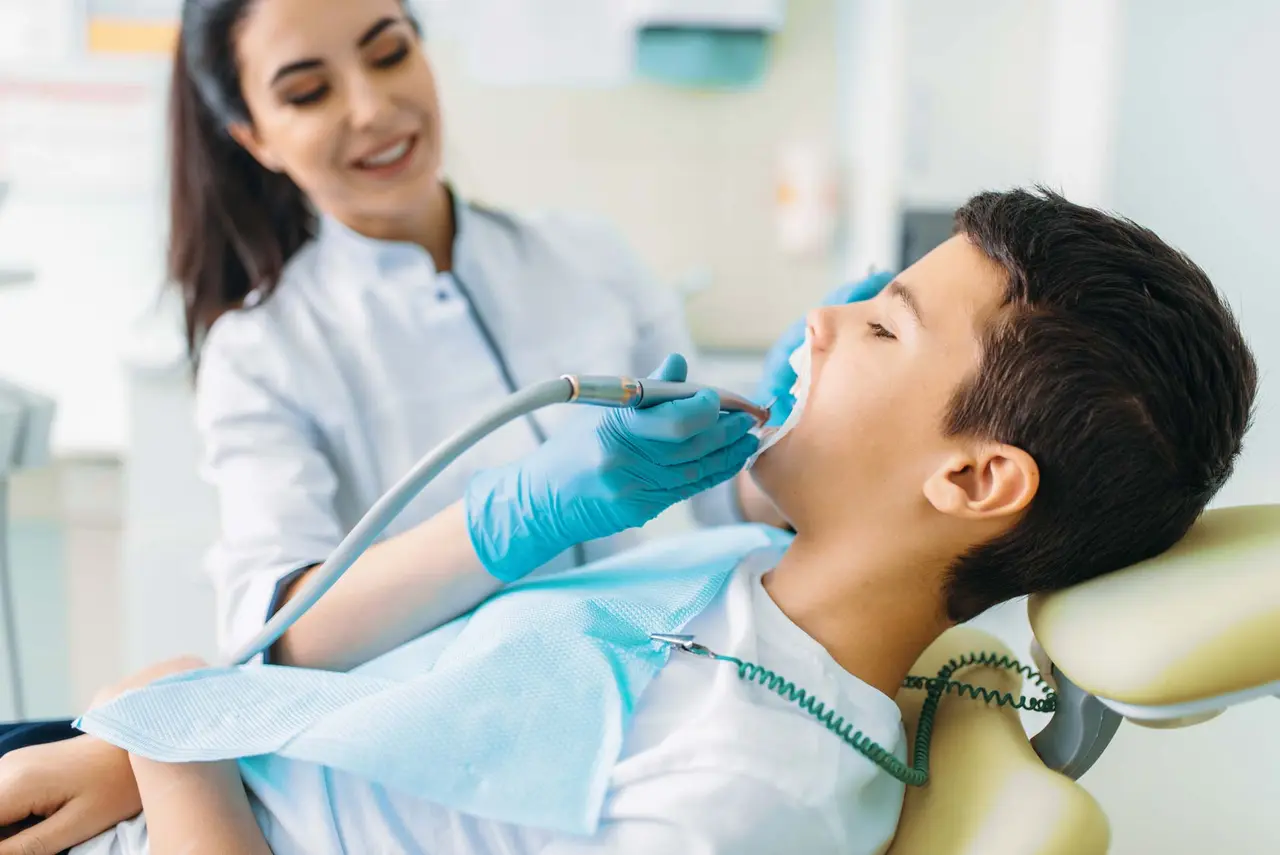
When that first tooth makes its appearance, usually between 6 and 12 months, you can introduce a soft-bristle toothbrush. You might choose a brush with a handle that you and your baby can hold together, or one that you wear like a finger puppet. At this stage you can skip the toothpaste and simply use water. If your baby is not reacting well to a toothbrush yet, it is perfectly fine to switch back temporarily to a damp cloth.
Flossing also plays a role in teaching hygiene habits, but it is a little different from brushing. We recommend discussing it with Dr. Ahmadi, who can advise you on when to start flossing and how best to help your child. If you ever notice signs of decay on your child's teeth, contact our office right away.
Introducing Toothpaste
Once your child has multiple teeth, you can begin introducing small amounts of fluoride-free toothpaste onto the brush. Have your child practice spitting out the toothpaste, this prepares them for the future use of fluoride toothpaste, which should never be swallowed.
Because children under age 2 cannot rely on fluoride to protect against cavities and decay, it is especially important to help them care for their new teeth. As teeth come in, examine them every couple of weeks and keep an eye out for discoloration or lines that could signal early decay. Best practice is to make sure your child is brushing after every meal and before bed.
Avoiding Cavities and Baby Bottle Decay

Children of all ages should avoid sugary sweetened drinks and foods, since sugars promote tooth decay. Even fruit juice, formula, and breast milk can lead to decay, one reason brushing from such a young age matters so much. Babies should never go to bed with a bottle, because when sugary liquids have extended contact with the teeth it can lead to early childhood decay, often called baby bottle caries.
Regular professional cleanings and exams as part of our pediatric dentistry program let our team catch small issues before they become bigger problems.
How to Encourage Brushing
The easiest way to encourage children to brush is to lead by example. Children are naturally curious and want to mimic you, so when they see you brushing and flossing daily, they take interest. Offer them their own toothbrush, ideally a child's brush with a chunky, short handle that is easier to grip. They will not be able to clean their teeth properly yet, but holding and playing with a toothbrush helps them feel comfortable with the routine. Most children do not develop the motor skills to clean their own teeth well until around age six or seven, so they may need your help until then.
For older children who treat brushing as a chore, make it more fun. Let them pick a toothbrush featuring a favorite character or a toothpaste in a flavor they love, and play a two-minute song as a timer so they know when they are done. Whatever gets your child excited about brushing helps them build lifelong, healthy oral hygiene habits.
Why Early Dental Care Matters
- Builds comfort and trust with the dentist from a young age
- Helps prevent early childhood and baby bottle decay
- Establishes brushing and flossing as everyday habits
- Lets us monitor healthy tooth and jaw development
- Catches small problems before they become painful
- Sets the foundation for a healthy adult smile
Frequently Asked Questions
When should I take my baby to the dentist for the first time?
It is best to schedule your child’s first dental visit around the time their first tooth appears, or by their first birthday at the latest. This early check-in helps them get comfortable with the dental office and lets our team spot any early issues.
How do I care for my baby’s gums and first teeth?
Even before many teeth appear, gently clean your baby’s gums and emerging teeth with a soft cloth or a tiny infant toothbrush. Once teeth begin to show, you can move to a soft-bristle brush with water, then a small amount of fluoride-free toothpaste once several teeth are present.
What common dental issues should I watch for in toddlers?
Watch for baby bottle tooth decay (from frequent sweet or bottle feeding at night), early signs of cavities such as discoloration or lines, and problems related to prolonged thumb-sucking or pacifier use. See our thumb sucking page for more.
How do I help prevent cavities and encourage good habits?
Brush after meals and before bed, avoid sugary drinks, never put your baby to bed with a bottle, and lead by example. Dr. Ahmadi can monitor your child’s development at routine visits and offer gentle, personalized advice.
Where can I find gentle dental care for my infant or toddler near me in Turlock?
Valley Dental Turlock offers friendly, specialized dental care for infants and toddlers in Turlock and surrounding communities such as Denair, Keyes, and Ceres. We help little ones feel safe and comfortable while providing the right preventive support. Request an appointment to get started.
Creating Beautiful Smiles
For more information about our dental services and how we can help you improve your oral health and your smile, please reach out. We look forward to welcoming you to our practice!