
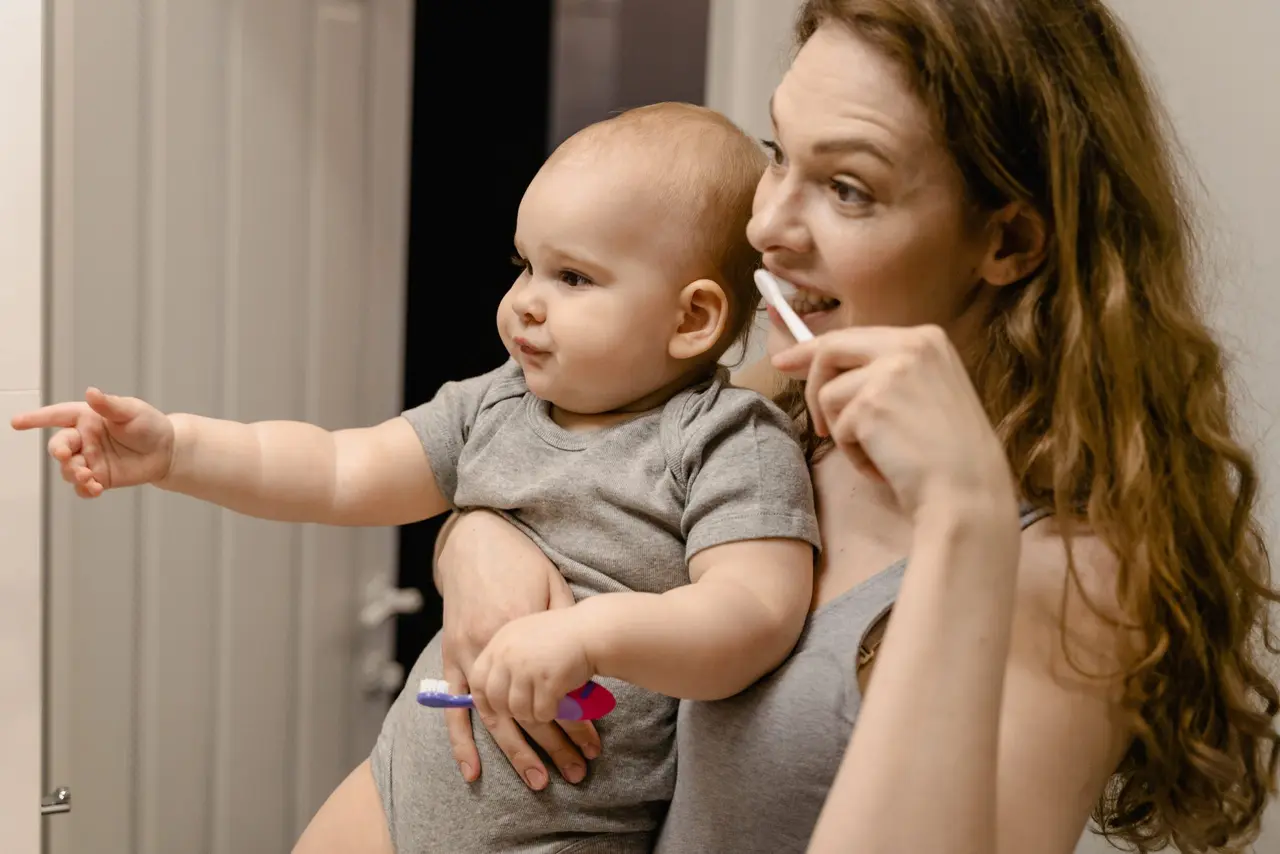
Caring for your baby’s teeth starts even before the first tooth appears. Healthy baby teeth help your child eat, speak, and smile, and they hold space for the permanent teeth that follow. The good news is that daily care for infants is simple once you know the basics.
At Valley Dental Turlock we love helping parents build confident home-care routines. Here is a practical guide to keeping your infant or toddler’s mouth healthy from the very start.
Before the first tooth
Even before teeth arrive, you can wipe your baby’s gums with a clean, damp washcloth or soft gauze after feedings. This removes leftover milk and bacteria and gets your baby used to having their mouth cleaned. It is a gentle habit that makes the move to brushing much easier later on. Many parents find that doing this at the same time each day, such as after the morning feeding and before bed, helps it become a natural part of the routine. Hold your baby comfortably in your lap, support the head, and use slow, gentle motions so the experience stays calm and positive.
Brushing those first teeth
Once the first tooth appears, switch to a soft, infant-sized toothbrush with a small head and a comfortable handle. For children under three, use a smear of fluoride toothpaste about the size of a grain of rice. From ages three to six, a pea-sized amount is appropriate, and you can teach your child to spit out the excess rather than swallow it. Brush gently in small circles twice a day, especially before bed, since overnight is when teeth are most vulnerable to decay. Help your child until they have the coordination to do a thorough job on their own, usually around age six or seven, and replace the toothbrush every few months or after any illness.
Easing teething discomfort
Teething can make babies fussy, with sore gums, extra drooling, and a need to chew. A clean, chilled (not frozen) teething ring or a gentle gum massage with a clean finger can bring relief. A clean, cool spoon or a damp washcloth that has been chilled in the refrigerator can work well too. Avoid teething necklaces and numbing gels that are not recommended for infants, as some carry safety risks. If your baby seems unusually uncomfortable or runs a fever, check with your pediatrician, since high fevers, diarrhea, and rashes are not a normal part of teething and may point to something else.
Making toothbrushing easier with a toddler
As your baby becomes a busy toddler, brushing can turn into a wrestling match. A calm, consistent routine almost always wins out over time. Try these parent-tested ideas.
- Brush at the same two times each day so it becomes as automatic as a bath or bedtime story.
- Let your toddler hold their own brush while you do the real cleaning with a second one.
- Turn it into a game with a favorite song, a two-minute timer, or taking turns brushing each other’s teeth.
- Offer a small choice, such as which brush color or which character toothpaste, to give your child a sense of control.
- Praise cooperation and keep your own tone light, even on the tough days.
Remember to keep doing the brushing yourself until your child has the coordination to do a thorough job alone, usually around age six or seven.
Foods, drinks, and decay prevention
What goes in the bottle and cup matters. Water and milk are best between meals, and sugary drinks or juice should be limited. Never put your baby to bed with a bottle of anything but water, since pooled liquids feed the bacteria that cause decay. Frequent grazing on crackers, dried fruit, and other sticky carbohydrates also feeds those bacteria, so it helps to keep snacks to set times rather than all day long. Pair good home care with regular checkups and gentle cleanings at our office, and ask us about treating any early cavities right away. To learn more, see our guide on preventing baby bottle tooth decay, and visit our pediatric dentistry page for the full range of services we offer growing families.