
Snoring & Sleep Apnea
If you feel like you are always waking up exhausted, there might be a medical reason. Sleeping conditions such as snoring and sleep apnea can get in the way of a good night's sleep by limiting your oxygen intake while you rest.
So if you just can't seem to feel rested, the issue may not be how long you sleep but the quality of that sleep. At Valley Dental Turlock, our team helps patients across Turlock and nearby communities understand the role the mouth and airway play in restful sleep, and find treatments that help.
What Causes Snoring?
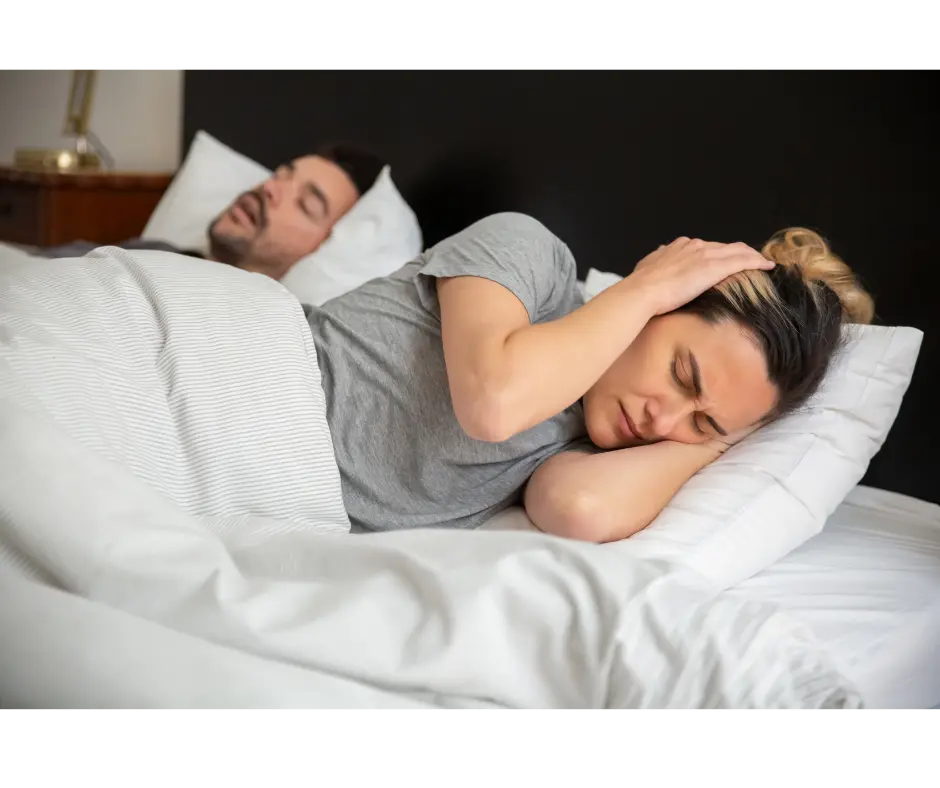
If you snore when you sleep, you are in the same boat as about two thirds of all Americans. The sound of snoring is caused by your tongue and the tissues around your sinuses. When air can't move freely through your mouth and sinuses, those tissues vibrate as air tries to pass through, creating that rumbling sound, which can range from fairly quiet to quite loud.
At its least concerning, snoring can simply be annoying and disrupt your partner's sleep. More seriously, snoring is a sign that air is not moving freely, which could mean airflow to the lungs is being restricted. Snoring is also linked to sleep apnea, a more serious condition.
Should I Be Worried About Sleep Apnea?
Sleep apnea is so concerning because it restricts the amount of oxygen you get while you are asleep. If you believe sleep apnea may be affecting your health, our dentist can perform an exam to evaluate your airway, jaw, and bite.
There are different forms of sleep apnea, the most common being OSA, or obstructive sleep apnea. This occurs when the back of the throat becomes obstructed or blocked, causing you to briefly stop breathing. Your body then wakes you so you can breathe again, often without you even realizing it, which is why sleep apnea is so disruptive to rest.
Health Concerns Related to Sleep Apnea

The sleep disruption that results from sleep apnea can be even more serious than poor rest alone. Some studies have suggested it can shorten lifespan by up to 12 years. The following health conditions can be associated with different forms of sleep apnea:
- Abnormal facial growth in children
- Acid reflux
- ADHD
- Alzheimer's
- Anxiety and depression
- Difficulty controlling diabetes
- Headaches and migraines
- Heart attack and high blood pressure
- Impotence or loss of libido
- Irritability and aggressive behavior
- Loss of focus and memory
- Stroke
- Tooth grinding at night (bruxism)
- Unusual daytime fatigue and weight gain
If nighttime tooth grinding is part of the picture, a custom nightguard may also help protect your teeth.
Why Visit a Dentist for Sleep Apnea?
Sleep apnea begins in the mouth and sinuses, which is exactly where dentistry can help. Our team can evaluate your airway and recommend a treatment that fits your needs so you can get back to restful sleep. Examples of treatments we use include:
- Aligners. Straightening teeth isn't only cosmetic, it changes the position of your entire mouth, including the jaw and tongue. Repositioning the jaw and where the tongue rests can open the airway and help prevent blockage. Learn more about clear aligners.
- Nasal breathing exercises and decongestants. One of the best ways to address sleep apnea is ensuring you get enough oxygen through your nose rather than your mouth. Nasal breathing can increase oxygen intake by up to 12%.
- Oral obstructive sleep apnea device. This custom dental support, similar to a mouthguard, holds your jaw in a position that keeps your airways open through the night.
Ready to sleep better? Request an appointment or call our Turlock office to schedule an evaluation.
Benefits of Dental Sleep Treatment
- Comfortable, custom-fit oral appliances, no mask required
- Quieter nights for you and your partner
- More restful, restorative sleep
- Reduced risk of serious sleep-apnea-related health issues
- A convenient alternative or complement to CPAP therapy
- Evaluation of your airway, jaw, and bite by our dental team
Frequently Asked Questions
What’s the difference between snoring and sleep apnea?
Snoring is the sound of air vibrating through partially blocked airways during sleep. Sleep apnea is a more serious condition where breathing repeatedly stops and starts during the night. Not all snorers have sleep apnea, but loud, frequent snoring can be a warning sign.
What are common symptoms of sleep apnea?
Daytime fatigue, loud snoring, gasping or choking during sleep, dry mouth on waking, and difficulty concentrating. If you experience these, you might be dealing with obstructive sleep apnea (OSA).
Can a dentist help treat sleep apnea?
Yes. The dental team at Valley Dental Turlock can evaluate your airway, jaw, and bite to determine whether snoring or sleep apnea might be addressed with oral appliance therapy, and offer customized devices and strategies to keep your airway open at night.
Is oral appliance therapy effective?
For many patients, yes. Custom-fit oral appliances are FDA cleared for many people with mild to moderate OSA and snoring, and they often provide relief, improved sleep, and reduced health risks associated with untreated sleep apnea.
Where can I get snoring or sleep apnea treatment near me in Turlock?
Valley Dental Turlock treats snoring and sleep apnea patients in Turlock and surrounding areas like Denair, Keyes, and Ceres. If you wake up tired or have been told you stop breathing during sleep, we are here to help restore restful nights.
Creating Beautiful Smiles
For more information about our dental services and how we can help you improve your oral health and your smile, please reach out. We look forward to welcoming you to our practice!