
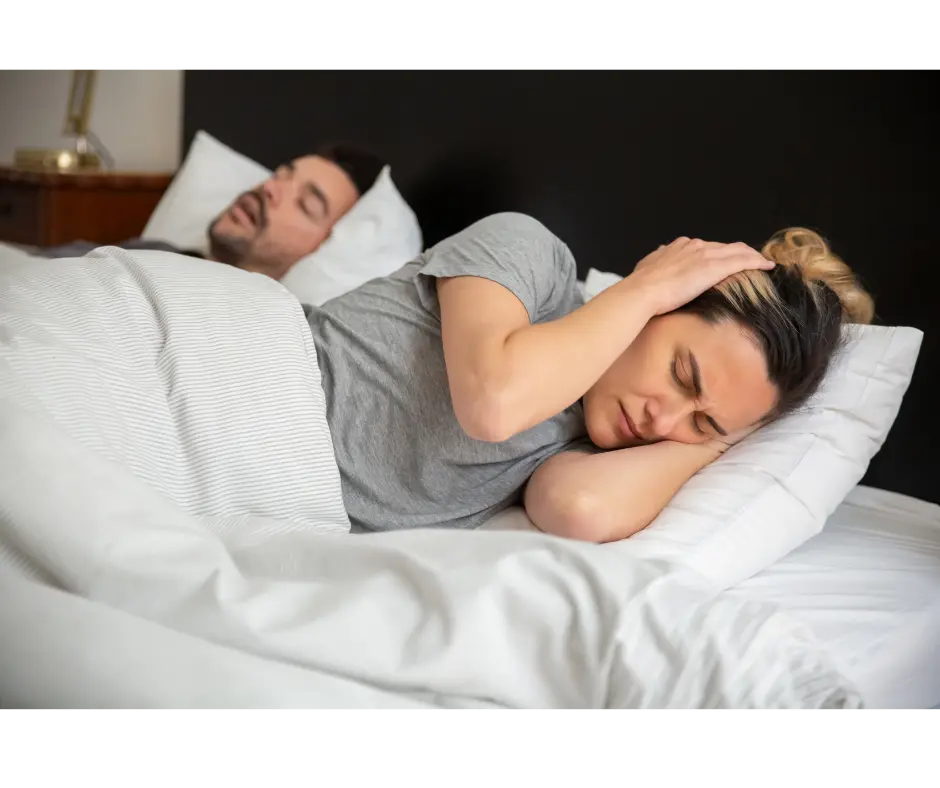
Loud, persistent snoring is sometimes more than a nighttime nuisance. It can be a sign of obstructive sleep apnea, a condition in which the airway repeatedly narrows or closes during sleep, briefly interrupting breathing. Recognizing the warning signs is the first step toward better rest and better health.
At Valley Dental Turlock we often help patients who are exploring options for snoring and sleep apnea. It is important to know up front that sleep apnea is diagnosed by a physician, usually with a sleep study, not by a dentist. Our role is to recognize possible signs, encourage proper evaluation, and offer dental treatment options when appropriate.
Common nighttime signs
The signs that show up during sleep are often noticed by a bed partner before the person experiencing them, since the sleeper is usually unaware. These include loud, chronic snoring, pauses in breathing followed by gasping or choking, and restless or fragmented sleep with a lot of tossing and turning. Some people wake frequently, sweat at night, grind their teeth, or get up often to use the bathroom. If a partner has noticed you repeatedly stop breathing or gasp during the night, it is worth taking seriously and bringing up with your doctor, as these are among the more telling signs of obstructive sleep apnea.
Daytime symptoms to watch for
Because sleep apnea repeatedly disrupts sleep, the effects often spill into the day. Common daytime signs include waking up tired even after a full night in bed, morning headaches, dry mouth or sore throat on waking, trouble concentrating, irritability or mood changes, and feeling sleepy during quiet activities like reading or driving. Some people also notice memory lapses, low energy, or a shorter temper than usual. These symptoms are easy to brush off or blame on a busy schedule, but when several appear together, they can point to an underlying sleep problem worth investigating. Falling asleep at the wheel is especially serious and should prompt a conversation with your doctor right away.
Why proper diagnosis matters
Untreated sleep apnea is linked to higher risks for high blood pressure, heart problems, and other health issues, so getting an accurate diagnosis is important. Only a physician can diagnose sleep apnea, typically through a sleep study done in a lab or at home. If you recognize the signs above, the best next step is to talk with your doctor about an evaluation. We are happy to coordinate with your physician once a diagnosis is in hand.
What to expect from a sleep evaluation
Many people put off getting checked because they are not sure what is involved. Knowing the general path can make it feel more approachable.
- Talk with your doctor: Describe your symptoms and any observations from a bed partner. Your physician decides whether a sleep study is appropriate.
- Sleep study: This may be done overnight in a lab or with a take-home kit, depending on your situation. It measures things like breathing pauses and oxygen levels.
- Diagnosis and severity: Your physician reviews the results and, if sleep apnea is present, classifies it as mild, moderate, or severe.
- Treatment discussion: Based on the diagnosis, your care team discusses options, which may include CPAP, lifestyle changes, or a dental oral appliance.
Once you have a diagnosis, we can talk about whether an oral appliance fits your case. The decision always involves your physician.
How a dentist can help
For people diagnosed with snoring or mild-to-moderate obstructive sleep apnea, a custom dental oral appliance can be an effective, comfortable treatment that holds the jaw in a position that helps keep the airway open. This is similar in concept to a nightguard and is part of our snoring and sleep apnea services. It is worth being clear about the limits: a dental appliance is not a cure-all, and for moderate to severe apnea your physician may recommend CPAP as the first-line treatment. Our role is to provide a well-fitted appliance when it is appropriate for your diagnosis and to work alongside your doctor. To learn more, see our guides comparing oral appliance therapy and CPAP and explaining how snoring affects your health, visit our general dentistry page, or reach out through our contact page.