
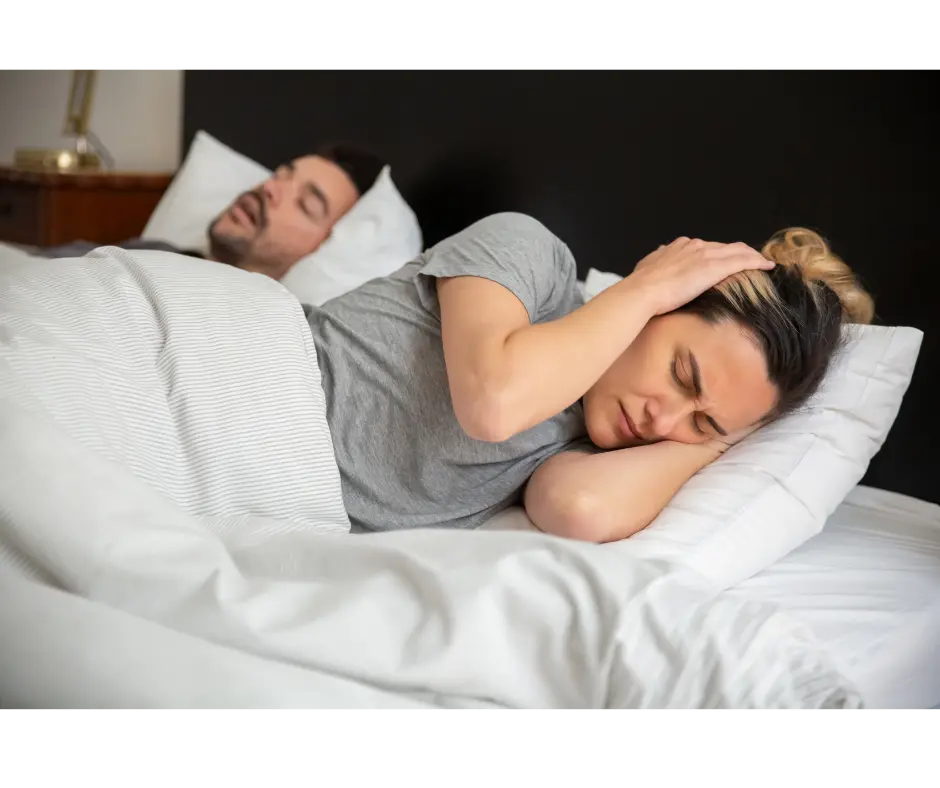
Almost everyone snores from time to time, and on its own snoring is usually harmless. But frequent, loud snoring can disrupt your sleep and your partner’s, and in some cases it points to a deeper issue such as obstructive sleep apnea that deserves attention.
At Valley Dental Turlock we help patients understand their snoring and sleep apnea options. Here is a look at what causes snoring, how it can affect your health, and when it is worth talking to a professional.
What causes snoring
Snoring happens when air cannot move freely through the nose and throat during sleep, causing the surrounding tissues to vibrate. Common contributors include nasal congestion, the natural relaxation of throat muscles during sleep, sleeping on your back, alcohol before bed, and the anatomy of your mouth and airway. The shape of your jaw, the size of your tonsils, a deviated septum, and the position of your tongue can all narrow the space air has to travel through. Excess weight and aging can also play a role, since tissues in the throat tend to relax more over time. In many cases snoring is simple and benign, but it can also be a symptom of a narrowed or obstructed airway, which is why persistent loud snoring is worth paying attention to.
The toll on sleep quality
Even when snoring is not tied to sleep apnea, it can fragment your rest and leave you feeling tired. It also affects your bed partner, whose sleep is often interrupted just as much. In some households, partners end up sleeping in separate rooms, which can take a quiet toll on relationships over time. Poor sleep over weeks and months can contribute to daytime fatigue, difficulty concentrating, irritability, and a general sense of running on empty, all of which affect work, mood, and overall well-being. Addressing persistent snoring is not only about quieter nights; it is about protecting the quality of your rest and your daily life.
When snoring signals something more
Snoring becomes a bigger concern when it comes with pauses in breathing, gasping or choking during sleep, or persistent daytime sleepiness. These can be signs of obstructive sleep apnea, which is associated with higher risks for high blood pressure and heart problems. Sleep apnea can only be diagnosed by a physician, typically through a sleep study, so if these signs sound familiar, talk with your doctor about an evaluation.
Simple steps to reduce snoring
For snoring that is not tied to sleep apnea, a few practical changes often make a real difference. Try these before bedtime and as part of your daily routine.
- Sleep on your side rather than your back, which helps keep the airway open.
- Treat nasal congestion from allergies or colds so you can breathe more freely.
- Limit alcohol in the hours before bed, since it relaxes throat muscles.
- Keep a regular sleep schedule and aim for enough rest, as overtiredness can worsen snoring.
- Work toward and maintain a healthy weight, which can ease pressure on the airway.
If snoring continues despite these steps, or if it comes with pauses in breathing or daytime fatigue, talk with your doctor about a sleep evaluation.
What you can do about it
Simple lifestyle steps, such as sleeping on your side, treating nasal congestion, limiting alcohol before bed, and maintaining a healthy weight, can reduce snoring for many people. Some find that raising the head of the bed slightly or using nasal strips also helps air move more freely. These changes are worth trying first, since they are low-cost and carry no downside. When more help is needed, a custom dental oral appliance (similar to a nightguard) can help keep the airway open and is appropriate for snoring and mild to moderate sleep apnea once a physician is involved. Keep in mind that an appliance treats snoring and milder apnea; it is not a substitute for a medical evaluation if sleep apnea is suspected. To explore your choices, see our guide on oral appliance therapy versus CPAP, learn more about our general dentistry services, or contact us with any questions.