
Veneers are one of the most versatile tools in cosmetic dentistry, but they are not the right answer for everyone. At Valley Dental Turlock, Dr. Tannaz Ahmadi helps patients decide whether veneers truly match their goals or whether another treatment would serve them better and cost less.
This guide covers what veneers can fix, who tends to be a good candidate, the alternatives worth considering, and the questions to ask yourself before committing.
What veneers can fix
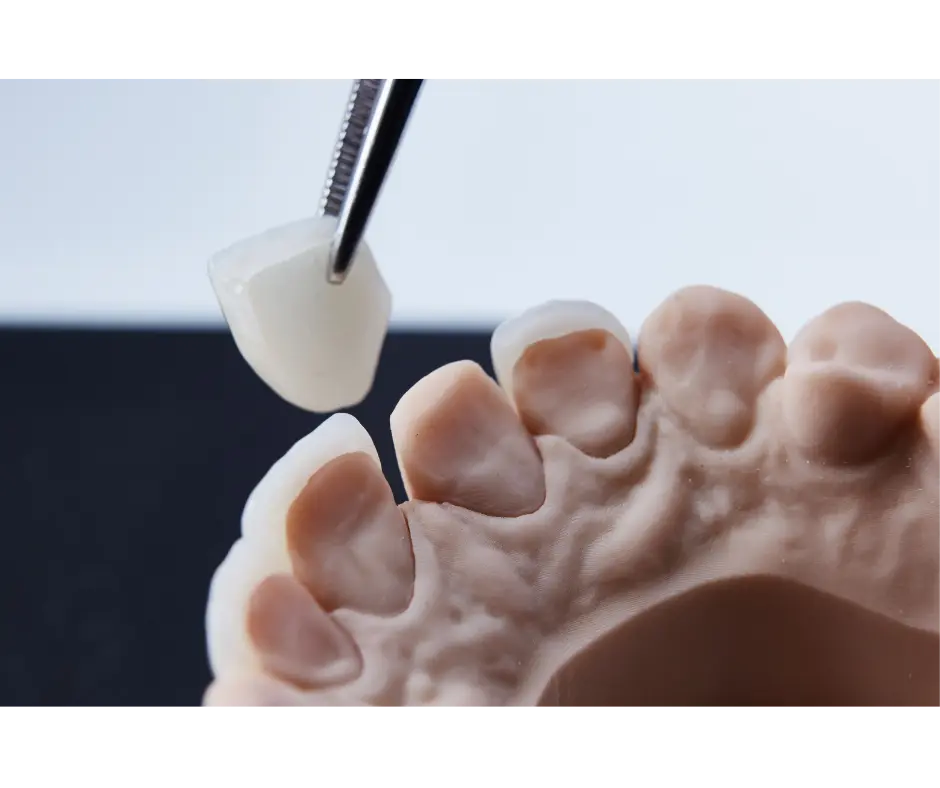
Veneers are thin shells bonded to the front of your teeth, and they excel at improving the appearance of teeth that are stained, chipped, slightly crooked, worn, or unevenly spaced. They can close small gaps, reshape short or pointed teeth, mask deep discoloration that whitening cannot lift, and create a uniform, bright smile in a matter of weeks. Because they cover the visible surface, veneers are often the fastest path to a dramatic cosmetic change without the months of treatment time involved in clear aligners. They are especially popular for the upper front teeth that show most when you smile.
What veneers cannot do
It helps to know the limits too. Veneers are cosmetic, so they do not strengthen a weak tooth the way a crown does, and they cannot fix functional bite problems or replace a missing tooth. They are not a treatment for decay or infection; those must be handled first with a filling or root canal. Because a small amount of enamel is usually shaped to place porcelain veneers, the change is considered a long-term commitment rather than something easily reversed. Understanding what veneers will and will not accomplish helps you set realistic expectations and choose the right treatment the first time.
Who makes a good candidate
The best candidates have healthy teeth and gums and enough enamel to support a veneer. If you have active gum disease, untreated decay, or a tooth that needs a root canal, we treat those concerns first so your veneers rest on a healthy foundation. Patients who grind their teeth can still get veneers, but we usually recommend a nightguard to protect them from the repeated pressure that chips bonded edges. It also helps to have realistic expectations and to be ready for the daily care and routine cleanings that keep veneers looking their best. Good overall oral health and steady habits matter as much as the cosmetic goal itself, and an exam is the surest way to confirm you are a strong candidate before any treatment begins.
When another treatment may be better
- Discoloration only: Professional whitening may be all you need.
- Significant misalignment: Clear aligners can straighten teeth without removing enamel.
- Heavily damaged teeth: A crown provides more coverage and strength than a veneer.
- Missing teeth: Implants or bridges replace teeth that veneers cannot.
We often combine treatments, such as whitening any teeth that will not be covered before placing veneers, so everything matches and looks natural. There is no single right answer, and the most affordable path to your goal is sometimes a treatment other than veneers. Our job is to lay out the choices honestly and help you pick the one that fits your smile, your timeline, and your budget.
Questions to ask yourself first
- What is bothering me most? If it is only color, whitening may be enough; if it is shape, chips, or gaps, veneers fit better.
- How healthy are my teeth and gums? Decay or gum disease needs treatment first.
- Do I grind my teeth? If so, plan on a nightguard to protect your investment.
- What is my budget and timeline? Composite is faster and more affordable; porcelain is a larger, longer-lasting investment.
- Am I ready for upkeep? Veneers need the same daily care and regular cleanings as natural teeth.
Bring your answers to your consultation and we will turn them into a clear, personalized plan.
How to decide
The clearest way to know if veneers are right for you is a consultation. We examine your teeth and gums, take any needed imaging, listen to your goals, and review financing options so cost is never a surprise. We will also be honest if a simpler or less expensive treatment would get you the result you want. Want to meet your dentist first? Learn about Dr. Ahmadi on our team page. New to the practice? Our new patient page explains what to expect, and you can schedule a visit or contact us whenever you are ready. There is no pressure to decide on the spot; many patients take time to think it over after their consultation, and we are happy to answer follow-up questions so you feel fully confident before any treatment begins.