
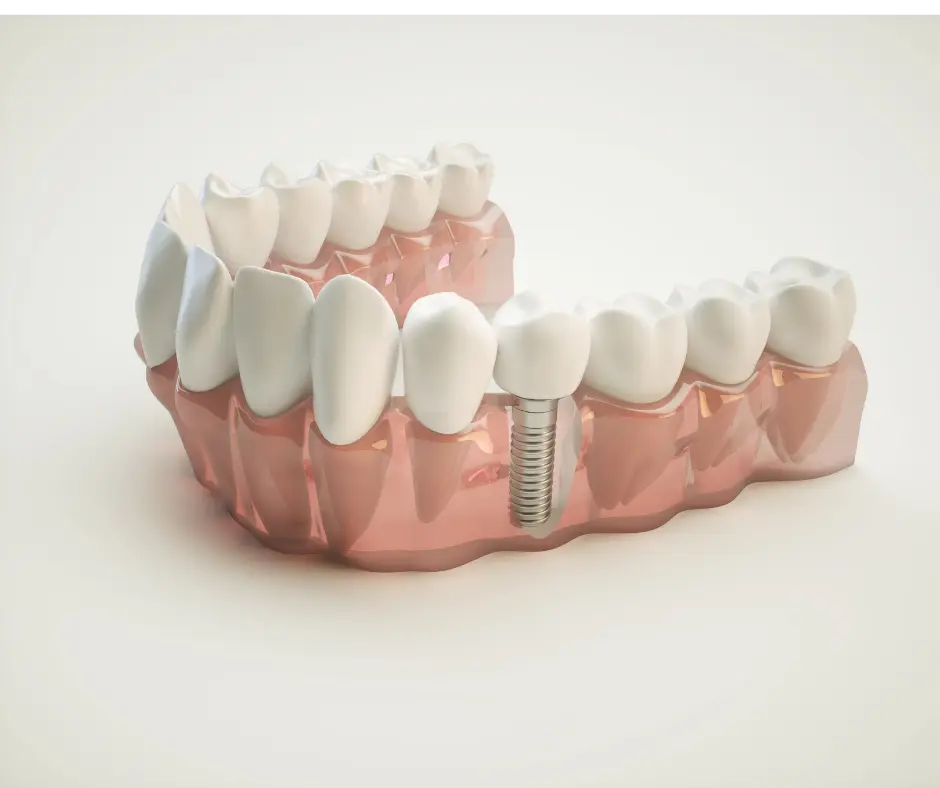
One of the most common questions we hear about dental implants at Valley Dental Turlock is how long they last. The short answer: with good care, the implant post itself can last a lifetime, while the visible crown on top typically lasts 10 to 15 years before it may need replacement due to normal wear.
Here is what influences that lifespan, and how you can get the most out of your investment.
What affects how long an implant lasts
- Oral hygiene: Daily brushing and flossing prevent the gum infections that threaten implants.
- Regular dental visits: Professional cleanings and exams catch problems early.
- Bone health: Strong, healthy bone keeps the implant stable.
- Habits: Smoking and teeth grinding can shorten implant life. A nightguard can help if you grind.
- Placement and quality: A well-planned, expertly placed implant lasts longer.
Of all these factors, the two you control most directly are your daily home care and how reliably you keep up with checkups. Together they make the biggest difference in whether an implant lasts ten years or several decades. Overall health matters too, since conditions like uncontrolled diabetes can affect healing and gum health, so it helps to keep us informed about any changes in your medical history.
How to make your implant last
Treat your implant like a natural tooth. Brush twice a day, floss around the implant daily, and keep up with routine checkups so we can monitor the gums and bite. Avoid using your teeth as tools, and let us know if you notice looseness, discomfort, or bleeding. Catching issues early is the key to a long-lasting result.
It is worth understanding that an implant cannot get a cavity, but the gum and bone that support it can still become inflamed or infected if plaque is allowed to build up. That is why the same daily care you would give a natural tooth matters just as much here. With consistent home care and regular visits, many people enjoy their implant for decades, and the post itself often lasts a lifetime.
A simple daily care routine
Caring for an implant does not require special skills, just consistency. Build these habits into your day and your implant has the best chance of lasting for the long haul.
- Brush gently twice a day with a soft toothbrush, paying attention to the gumline around the implant.
- Floss daily, using implant-friendly floss or a small interdental brush to clean where the crown meets the gum.
- Consider an antibacterial or water flosser if we recommend one for your situation.
- Keep up with professional cleanings and exams on the schedule we suggest.
- Wear a nightguard if you grind or clench, to protect both the crown and your natural teeth.
Good habits at home, paired with regular visits, are by far the most important factors in how long your implant lasts.
Signs your implant needs attention
A properly healed implant should feel solid and pain-free. Contact us promptly if you notice persistent pain, swelling, gum recession around the implant, or any movement. These can be signs of peri-implantitis (an infection around the implant) that is much easier to treat when caught early. The good news is that, like gum disease around natural teeth, peri-implantitis is largely preventable with good brushing, flossing, and professional cleanings. When problems are caught at the first sign, we can usually address them before they affect the long-term success of the implant.
When to call our office
Most implants stay healthy for years with no trouble, but it pays to know which signs deserve a prompt call rather than waiting for your next checkup.
- Any looseness or movement in the crown or the implant itself.
- Persistent pain, tenderness, or pressure around the implant.
- Red, swollen, or bleeding gums near the implant.
- Gum recession that exposes more of the crown or the metal beneath it.
- A bad taste or odor that does not go away with brushing.
If you notice any of these, reach out through our contact page or book an appointment so we can take a look. Early attention makes most issues much simpler to resolve.