
Replacing missing teeth is one of the most common reasons patients visit Valley Dental Turlock, and two of the most popular options are dental implants and dentures. Both restore your ability to eat, speak, and smile with confidence, but they work very differently. Choosing between them comes down to your oral health, budget, lifestyle, and long-term goals.
This guide breaks down how implants and dentures compare so you can walk into your consultation with Dr. Tannaz Ahmadi already understanding your options.
How dental implants work
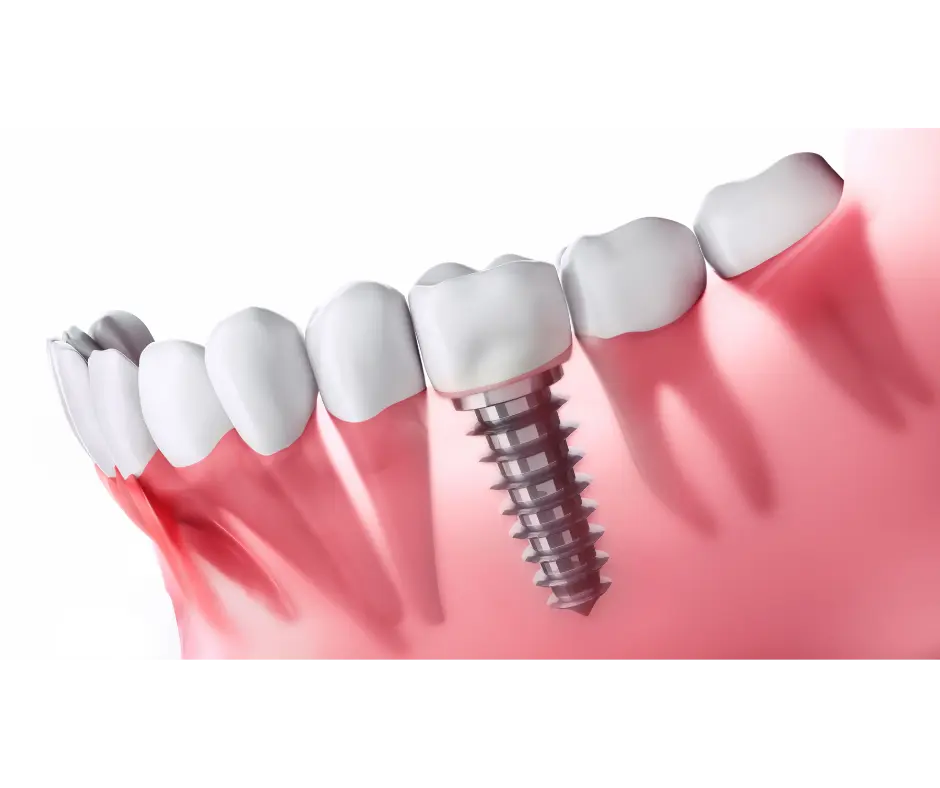
A dental implant is a small titanium post that is placed into the jawbone to replace the root of a missing tooth. Over a few months it fuses with the bone, creating a stable foundation for a custom crown, bridge, or implant-supported denture. Because the implant integrates with your jaw, it looks, feels, and functions much like a natural tooth and helps preserve the bone that would otherwise shrink after tooth loss.
One of the biggest advantages of an implant is what you do not have to think about day to day. There is nothing to remove at night, no adhesive to apply, and no special diet once you have healed. You simply brush and floss as you always have. Because the post replaces the tooth root, it also keeps the surrounding teeth from drifting into the gap, which helps protect your overall bite for the long term.
How dentures work
Dentures are removable replacements for missing teeth and the surrounding tissue. Full dentures replace an entire arch, while partial dentures fill gaps when some natural teeth remain. Modern dentures are more comfortable and natural-looking than ever, and they are typically the more affordable, less invasive option, which makes them a great fit for many patients. Because they do not require surgery, dentures can often be made on a faster timeline, and they may be a practical choice for patients who are not candidates for implants due to bone loss or certain health conditions. They do need to be removed for daily cleaning and may require relining over time as the gums and bone change shape.
Comparing comfort, care, and longevity
- Stability: Implants stay fixed in place; traditional dentures rest on the gums and can shift.
- Bone health: Implants help preserve jawbone; dentures do not stimulate the bone.
- Care: Implants are brushed and flossed like natural teeth; dentures are removed for daily cleaning.
- Longevity: Implants can last decades with good care; dentures are usually relined or replaced every several years.
- Cost: Dentures cost less up front; implants are a larger investment that can pay off over time.
Many patients choose a hybrid solution, such as implant-supported dentures, which combine the stability of implants with the coverage of a denture.
Questions to ask yourself
Thinking through a few practical questions before your consultation can help clarify which direction feels right for you.
- How many teeth am I replacing, and are they in one area or spread across the mouth?
- Is a fixed, permanent feel important to me, or am I comfortable with a removable option?
- What is my budget today, and how do I weigh up-front cost against long-term value?
- Am I willing to go through a surgical procedure and a healing period for implants?
- How important is protecting my jawbone and facial structure over the long term?
There are no wrong answers here. Your responses simply help us tailor the conversation to what matters most to you.
Which option is right for you?
The best choice depends on how many teeth are missing, the health and density of your jawbone, and your budget. During a consultation we review your digital X-rays, discuss your goals, and explain financing options so the decision is clear and comfortable. There is no one-size-fits-all answer, and our job is to help you find the right fit. You can also compare related options on our crowns and bridges page, or learn more in our guide on what to expect with dental implants. When you are ready, book an appointment to talk it through in person.