
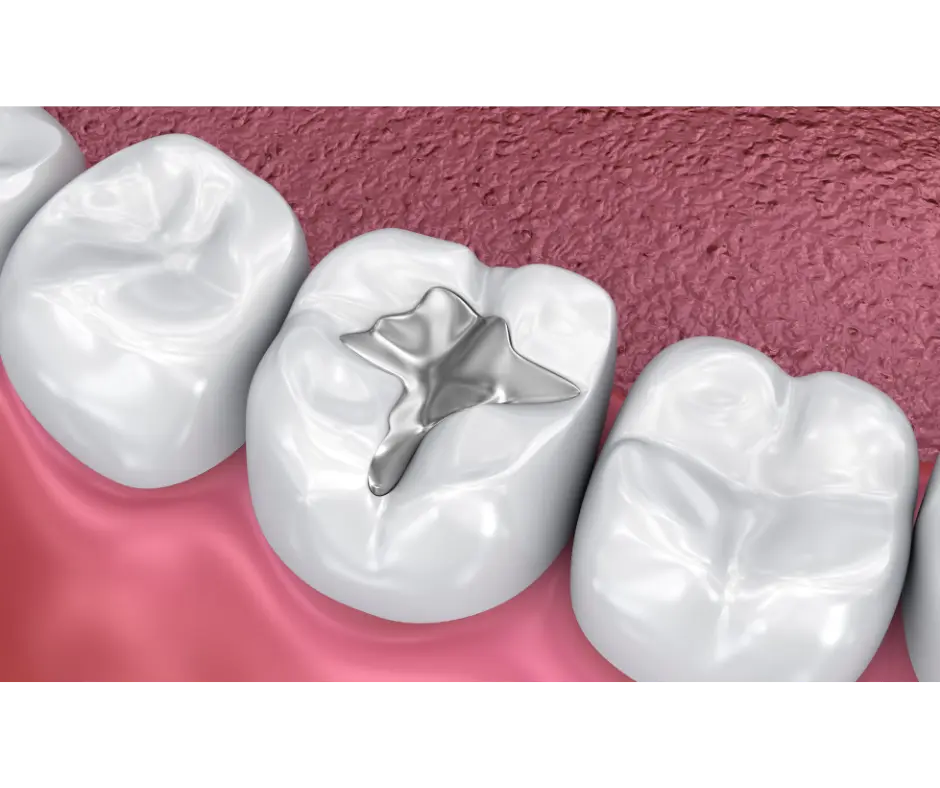
When you have a cavity, a dental filling restores the tooth and stops decay from spreading before it reaches the nerve. At Valley Dental Turlock, the most common choice patients weigh is between tooth-colored (composite) fillings and traditional metal (amalgam) fillings.
This guide from Dr. Tannaz Ahmadi compares the two on appearance, durability, and cost, walks you through the procedure, and helps you make a confident, informed decision.
How tooth-colored fillings work
Tooth-colored fillings are made from a composite resin that is matched to the shade of your natural tooth and bonded directly into place, then hardened with a curing light. Because they blend in almost invisibly, they are popular for front teeth and any visible areas, and they are a cornerstone of cosmetic dentistry. The same family of material is used in composite veneers, which speaks to how natural it can look. Just as important, bonding lets us preserve more of your healthy tooth structure, since the resin grips the tooth rather than relying on a mechanical shape to stay put. That conservative approach is one of the main reasons many patients and dentists favor composite for everyday fillings today.
How metal fillings work
Metal amalgam fillings have been used for well over a century and are known for their strength and longevity. Made from a blend of metals, they hold up well under the heavy chewing forces at the back of the mouth, which makes them a durable, economical choice for molars that do not show when you smile. Placement is quick and forgiving of moisture, which can be an advantage in hard-to-isolate areas. Their main drawback is appearance, since the silver color is noticeable, so many patients today prefer tooth-colored options for a more natural look. Amalgam also requires removing a bit more tooth structure to hold the filling in place, whereas composite bonds directly.
What getting a filling is like
The visit is usually quick and comfortable. We first numb the area with a local anesthetic so you do not feel the work, then gently remove the decayed portion of the tooth and clean the space. For a composite filling, we place the resin in thin layers, hardening each with a curing light, then shape and polish it to match your bite and the look of the surrounding tooth. For amalgam, the material is packed into the prepared space and shaped before it sets. We finish by checking your bite so nothing feels high when you chew. Most fillings are completed in a single appointment, and you can return to normal activities the same day.
Comparing the two
- Appearance: Composite blends in; amalgam is silver and visible.
- Durability: Both are strong; amalgam is very durable on heavy-chewing molars.
- Tooth structure: Composite bonds in place and often preserves more of the tooth.
- Cost: Amalgam is typically less expensive; composite costs a bit more.
- Sensitivity: Some patients notice brief temperature sensitivity with either type after placement.
We help you weigh these factors based on the tooth’s location, your bite, and your budget. We also discuss financing when needed.
Caring for a new filling
A filled tooth needs the same care as the rest of your mouth, plus a little attention right after placement. If you had a numbing injection, wait until the anesthetic wears off before eating so you do not bite your cheek or tongue. Mild sensitivity to hot, cold, or pressure is common for a few days and usually settles on its own. Brush twice a day, floss daily to keep the edges of the filling clean, and limit sugary and acidic foods that invite new decay. Keep up with routine cleanings and exams so we can monitor the filling over time. If your bite feels off or sensitivity lingers beyond a week or two, contact us so we can take a quick look.
Which is right for you?
For visible teeth, tooth-colored fillings are usually the clear favorite. For out-of-sight molars under heavy pressure, either option works well, so it often comes down to appearance and budget. If a cavity is too large for a filling to support, we may recommend a crown instead for fuller protection, or a root canal if decay has reached the nerve. We will always recommend the most conservative treatment that will hold up. The best way to choose is a quick exam, so book an appointment or visit our new patient page and we will guide you. We will lay out the pros and cons for your specific tooth and let you make the call with all the information in hand.