
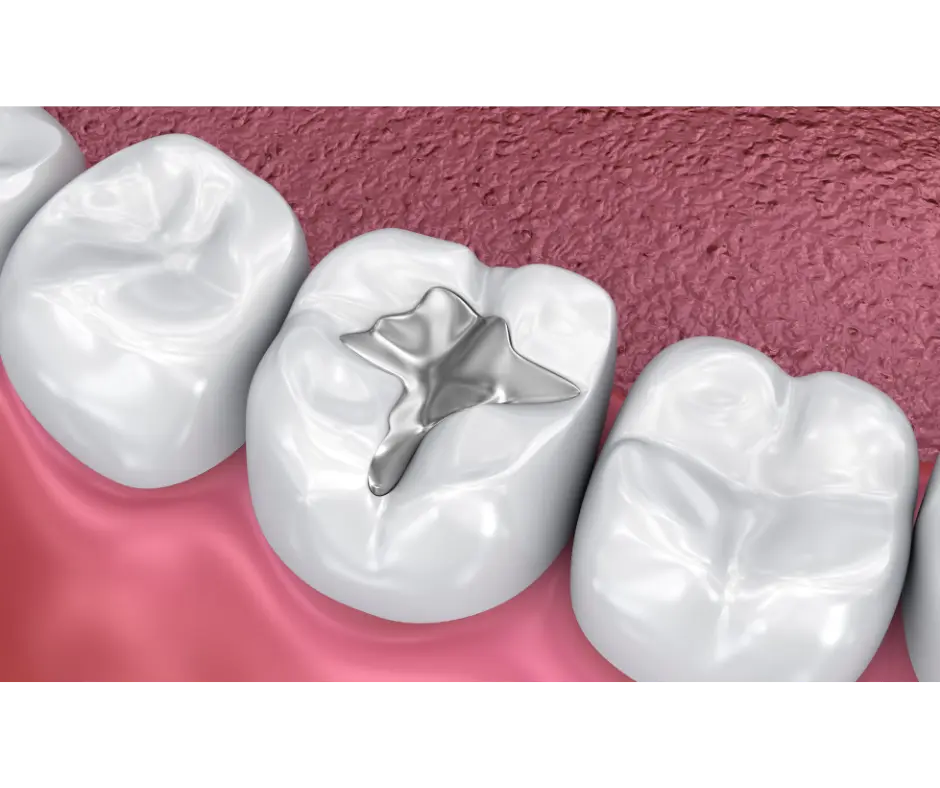
Cavities often start small and silent, which is why many people do not realize they need a dental filling until the decay has grown. At Valley Dental Turlock, catching cavities early means simpler, more comfortable, and more affordable treatment.
Here are the most common signs that a tooth may need a filling, why you should not wait to get it checked, and how to lower your risk of cavities in the first place.
Common warning signs
- Sensitivity: Lingering discomfort with hot, cold, or sweet foods.
- Toothache: Pain that comes and goes, or pain when biting down.
- Visible holes or pits: A spot you can see or feel with your tongue.
- Dark spots or staining: Brown, gray, or black marks on a tooth.
- Food trapping: Food that repeatedly catches in the same spot.
- Rough or chipped edges: A surface that feels different than before.
You will not always have several of these signs at once; sometimes a single one, like new sensitivity to sweets or a spot your tongue keeps finding, is the only clue. None of these symptoms confirms a cavity on their own, since other issues can cause similar feelings, but any of them is a good reason to have the tooth checked. The sooner we look, the more likely it is that a small, simple filling is all you need.
Why early treatment matters
A cavity does not heal on its own, and decay only spreads over time as bacteria work deeper into the tooth. Treated early, it is a quick, affordable filling that takes one short visit. Left alone, the decay can reach the inner layers and the nerve, leading to pain, infection, and far bigger treatment such as a root canal, a crown, or even an extraction and replacement. Acting promptly almost always means less treatment, less cost, less time in the chair, and less discomfort, which is the whole reason early detection is worth it.
How to lower your risk of cavities
- Brush and floss daily: Twice-a-day brushing with fluoride toothpaste and daily flossing remove the plaque that causes decay.
- Cut back on sugar and acid: Frequent sweets, soda, and sticky snacks feed cavity-causing bacteria; rinse with water after.
- Use fluoride: Fluoride toothpaste and in-office treatments strengthen enamel against decay.
- Stay hydrated: Water rinses away food and keeps saliva flowing to protect your teeth.
- Keep up with checkups: Regular cleanings and exams stop small problems before they grow.
Simple daily habits prevent most cavities and the fillings that follow.
Who is most at risk for cavities
Anyone can develop a cavity, but some people are more prone than others. A diet high in sugar or frequent snacking, dry mouth from medications or certain conditions, deep grooves in the back teeth, gum recession that exposes softer root surfaces, and a history of frequent decay all raise your risk. Children and older adults often need extra attention, and so do patients with braces or other appliances that trap food. Knowing your personal risk helps us tailor your care, whether that means more frequent cleanings, fluoride treatments, or simple changes to your routine. At your visit we talk through your specific risk factors and the easiest ways to reduce them, so prevention fits your life rather than feeling like a burden.
When you might have a cavity with no symptoms
Many cavities cause no pain at all in their early stages, especially those forming between teeth or below the gumline where you cannot see or reach them. Decay can also hide beneath an existing filling or under a small chip. This is exactly why regular checkups and digital X-rays are so valuable: they let us spot decay you cannot see or feel and treat it while it is still tiny. By the time a cavity causes a toothache, it has usually grown significantly, so do not rely on pain as your signal. Routine general dentistry visits are your best and most affordable defense.
What to do next
If you notice any of these signs, do not wait for the pain to get worse, because a cavity only grows. Contact us or book an appointment for an exam. We will check the tooth, take any needed X-rays, explain what we find in plain language, and recommend the most conservative treatment that keeps your smile healthy. New here? Our new patient page tells you what to expect at your first visit, and you can learn about Dr. Ahmadi on our team page. Acting now while a cavity is small almost always means a faster, gentler, and more affordable fix than waiting until it hurts.