
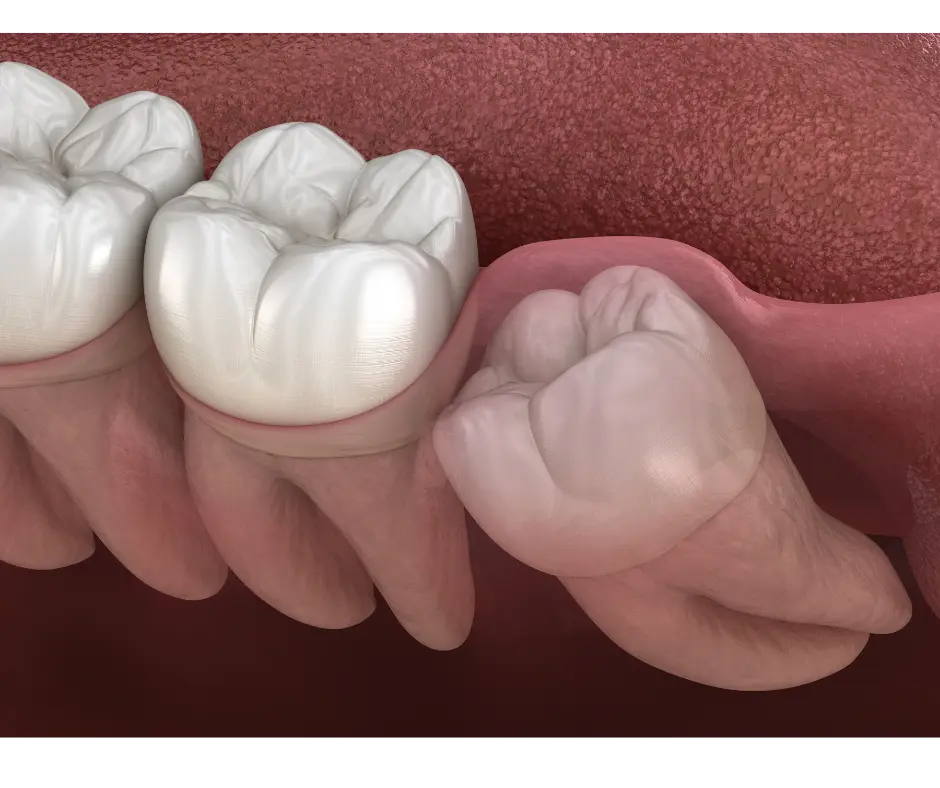
Wisdom teeth are the last molars to come in, usually in the late teens or early twenties, and they often cause trouble because there simply is not enough room for them. At Valley Dental Turlock, Dr. Tannaz Ahmadi helps patients decide whether wisdom tooth removal is the right call, handles straightforward cases herself, and coordinates care with trusted local oral surgeons when a tooth is impacted or needs surgical removal.
Here is what to know about why, when, and how wisdom teeth are removed, plus how to recover comfortably afterward.
Why wisdom teeth are often removed
Many people do not have enough space in the jaw for wisdom teeth to come in properly. When that happens they can become impacted, meaning trapped under the gum or bone, grow in at an angle, or only partially emerge through the gum. A partially erupted tooth is especially hard to clean and creates a pocket where bacteria collect, which can lead to pain, infection, gum problems, cysts, crowding, and decay in the healthy molars right next door. Removing problem wisdom teeth early, while the roots are not fully formed and the bone is more flexible, often makes the procedure and recovery easier and prevents these complications down the road.
Signs your wisdom teeth may be a problem
- Aching or pressure at the back of the jaw, sometimes coming and going.
- Red, swollen, or tender gums behind your last molars.
- Difficulty opening wide or pain when chewing on that side.
- Bad taste or odor near a partially erupted tooth that is hard to clean.
- Crowding or shifting you notice in your front teeth.
If any of these sound familiar, an exam and X-ray will show what is happening below the surface. Contact us and we will take a look.
When removal may not be needed
Not every wisdom tooth has to come out, and we never remove healthy teeth just because they are wisdom teeth. If yours have erupted fully, are healthy, positioned correctly, bite properly against the opposing teeth, and are easy to reach with a toothbrush and floss, we may simply monitor them with regular checkups and X-rays over time. The key is whether you can keep them clean and whether they are causing or likely to cause problems. The decision is always individual, based on your anatomy, your age, and how the teeth are developing, which is why imaging and a personal exam matter so much before any recommendation.
What to expect during the procedure
When a wisdom tooth has fully erupted and the case is straightforward, Dr. Ahmadi can often remove it right here, with the area fully numbed for your comfort. When a tooth is impacted or the case is more complex, she refers you to a trusted oral surgeon for the surgical removal and coordinates your care so the process is seamless. Either way, we review your imaging beforehand and explain each step, along with financing if you need it, so there are no surprises.
Recovery tips
- Rest the first day: Take it easy and keep your head elevated.
- Control swelling: Use ice packs on the cheek in short intervals.
- Eat soft foods: Choose yogurt, soup, and smoothies, and skip straws.
- Protect the clot: Avoid smoking and vigorous rinsing to prevent dry socket.
- Keep it clean: Gently rinse with warm salt water after the first day.
Most patients recover within a few days. Call us if pain worsens or you spot signs of infection.
Foods and habits during recovery
Eating well while protecting the surgical sites speeds healing and keeps you comfortable. For the first day or two, stick to cool, soft foods like yogurt, applesauce, mashed potatoes, scrambled eggs, and smoothies eaten with a spoon, not a straw. Stay hydrated with water, and avoid alcohol, very hot liquids, and crunchy or spicy foods that can irritate the area. Do not smoke or vape, since the suction and chemicals raise your risk of dry socket and slow healing. Gradually add firmer foods as your comfort improves over the first week. Gentle warm salt-water rinses after the first 24 hours help keep the sites clean while you recover.
Cost and what to ask us
The cost of wisdom tooth removal depends on how many teeth are involved and whether they are erupted or impacted. We give you a clear estimate before treatment and review your dental insurance, since many plans cover part of the cost when removal is medically necessary. Our financial page explains insurance and payment options. It also helps to come with questions, such as how long you should plan to rest, what aftercare to expect, and how to prepare. When you are ready, book an appointment and we will create a plan that fits your needs and budget. Coming in with your questions written down helps you remember everything and leave feeling fully informed about your care.