
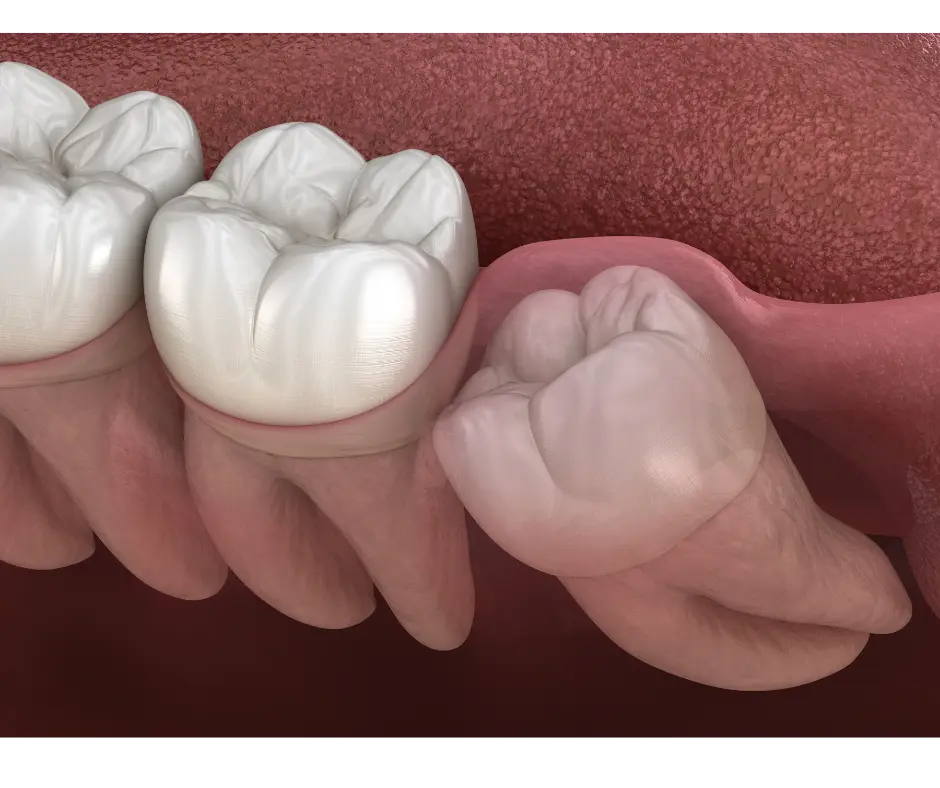
If you are scheduled for a tooth extraction at Valley Dental Turlock, the good news is that recovery is usually smooth when you follow a few simple steps. Most patients feel noticeably better within a few days, and a little preparation goes a long way.
This guide from Dr. Tannaz Ahmadi walks you through aftercare day by day so you can heal comfortably, avoid complications, and protect the area while it recovers.
How to prepare before your appointment
A smooth recovery starts before the procedure. Pick up soft foods and any recommended pain reliever ahead of time so you are not running errands afterward, and plan to take it easy for the rest of the day. Wear comfortable clothing, eat a light meal beforehand unless we tell you otherwise, and let us know about all medications and health conditions so we can plan for your safety. New to the practice? Our new patient page covers the paperwork and what to bring. A little planning means you can rest and focus on healing once you are home.
The first 24 hours
Right after your extraction, a blood clot forms in the socket, and protecting that clot is the single most important key to healing. Bite gently but firmly on the gauze for the time we recommend to control bleeding, then change it as needed. Rest with your head slightly elevated, even while sleeping, and apply an ice pack to the cheek in short intervals of about 15 minutes on and 15 off to limit swelling during the first day. Avoid rinsing forcefully, spitting, drinking through a straw, smoking, or strenuous activity during this window, since the suction and pressure can dislodge the clot and slow your recovery. Mild oozing is normal; steady, heavy bleeding is not, so call us if it continues.
Managing pain and swelling
Mild soreness and swelling are normal for a few days. Over-the-counter pain relievers, taken as directed, are usually enough, and cold compresses help in the first day or two. If we prescribe medication, follow the instructions carefully. Contact us if pain worsens after day three instead of improving, which can be a sign of a problem worth checking.
Eating and oral hygiene
- Stick to soft foods: Yogurt, soup, eggs, and smoothies (with a spoon, not a straw) for the first days.
- Stay hydrated: Drink plenty of water, avoiding very hot liquids at first.
- Keep it clean: After 24 hours, gently rinse with warm salt water a few times a day.
- Brush carefully: Clean your other teeth as usual but avoid the extraction site until it heals.
Gradually return to normal foods as comfort allows. Keeping up with routine cleanings afterward supports your overall oral health.
Watching for dry socket and complications
Dry socket happens when the protective clot is lost too early, exposing bone and causing intense, throbbing pain that often starts a few days after the procedure and may radiate toward the ear. Avoiding straws, smoking, and vigorous rinsing greatly lowers the risk, and so does following your aftercare closely. Call us promptly if you notice severe or worsening pain after day three, a bad taste or odor, a fever, swelling that increases instead of fading, or bleeding that will not stop. Dry socket is treatable and we can relieve the discomfort quickly, so do not wait it out. Once you have fully healed, we can discuss replacement options like implants or a bridge if needed to keep neighboring teeth from shifting.
Your recovery timeline at a glance
- Day 1: Rest, manage bleeding with gauze, use ice, and protect the clot. Eat soft, cool foods.
- Days 2 to 3: Swelling peaks then begins to ease. Start gentle warm salt-water rinses and switch from ice to warm compresses.
- Days 3 to 5: Most patients feel noticeably better and can return to light routines and a wider range of foods.
- Week 1 to 2: Gum tissue continues to close over the socket. Resume normal eating as comfort allows.
- Following weeks to months: Bone heals more slowly beneath the surface, which is why we plan any replacement once the area is ready.
Everyone heals at their own pace, so use this as a general guide rather than a strict schedule.
When to call us
Reach out right away if you experience heavy bleeding that does not slow with gauze and pressure, pain that intensifies after the third day, a fever or signs of infection, numbness that lingers, or trouble swallowing or breathing. These are uncommon, but prompt care makes them easy to resolve. You can always contact us with questions during recovery, and if you ever have a true emergency we want to hear from you quickly. Want to meet the dentist guiding your care? Learn about Dr. Ahmadi on our team page.