
At Valley Dental Turlock, our goal is always to save your natural teeth when we can. But sometimes a tooth extraction is the healthiest choice for your smile and the surrounding teeth. Knowing the warning signs helps you seek care before a small problem becomes a painful emergency.
Here are the most common signs that a tooth may need to be removed, what we try first, and what happens next.
We try to save the tooth first
Before we ever recommend removal, we exhaust the options that keep your natural tooth in place. Depending on the problem, that may mean a filling for decay, a crown to rebuild a cracked or weakened tooth, or a root canal to treat infection deep inside the tooth. A healthy natural tooth is almost always better than any replacement, so extraction is a last resort, recommended only when keeping the tooth would put your comfort or your other teeth at risk. When we do suggest removal, we will explain exactly why and walk you through every alternative first.
Severe decay or damage
When a tooth is badly broken or decay reaches deep into the tooth, we first try to restore it with a filling, a crown, or a root canal. If too much healthy structure is gone to support a repair, or if infection has destroyed the tooth from within, extraction may be the safest option to stop infection from spreading, relieve pain, and protect the surrounding teeth and bone. Removing a hopeless tooth promptly often prevents a more serious infection and a costlier problem later on.
Advanced gum disease
Untreated gum disease can quietly destroy the bone and tissue that hold your teeth in place. As that support erodes, a tooth can loosen, shift, or become painful, and once too much bone is lost there may be nothing solid left to anchor it. When a tooth becomes loose because its foundation is gone, removal is sometimes the healthiest choice to protect the neighboring teeth and stop infection from spreading. The encouraging news is that this stage is largely preventable. Catching gum disease early through regular cleanings and exams lets us treat it before it reaches the point of no return, which is one more reason routine visits are so valuable.
Crowding and wisdom teeth
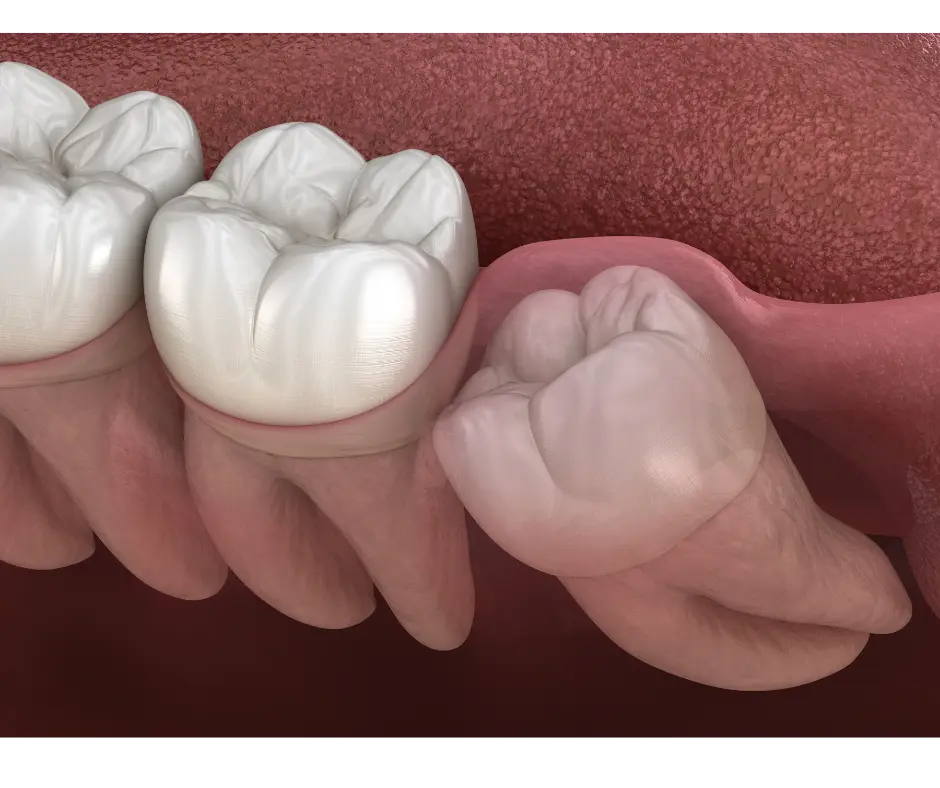
Sometimes a tooth needs to come out not because it is damaged, but because there is not enough room for everything to fit and function well. In certain cases, crowding may call for an extraction as part of a plan before or alongside orthodontic treatment, creating the space teeth need to align properly. Impacted wisdom teeth that cannot fully emerge are another common example, since they often need to be removed to prevent pain, infection, gum problems, and damage to the healthy molars beside them. In situations like these, a planned extraction is a proactive step that protects the rest of your smile rather than a reaction to a problem that has already caused harm.
Warning signs to watch for
- Persistent or severe toothache
- A tooth that feels loose
- Swelling, tenderness, or a bad taste near a tooth
- Pain when biting or chewing
- A cracked or broken tooth that cannot be restored
If you notice any of these, do not wait. Contact us for an evaluation and we will explain every option before recommending removal.
What to expect at your evaluation
When you come in, we examine the tooth, check your gums, and usually take digital X-rays to see what is happening below the surface, including the roots and bone. From there we explain exactly what we find and lay out your choices in plain language, whether that is a restoration to save the tooth or a planned extraction. If removal is the right call, we discuss comfort options, the procedure itself, and how to replace the tooth afterward, along with financing so cost is never a surprise. You leave with a clear plan, not a rushed decision.
Planning ahead for replacement
If a tooth does need to come out, thinking about replacement early protects your long-term oral health. A missing tooth can let neighboring teeth drift and the opposing tooth over-erupt, which changes your bite over time. Depending on the spot and your goals, we may recommend a dental implant that replaces both the root and the crown, or a bridge that fills the gap using the teeth on either side. We will help you weigh the options and timing. Ready to be seen? Book an appointment and we will start with a thorough evaluation.