
Many people grind or clench their teeth at night without realizing it, often because it happens while they are fast asleep. This habit, known as bruxism, can quietly wear down teeth and strain the jaw over time.
At Valley Dental Turlock, we frequently spot the early effects of grinding during routine exams. Recognizing the signs early lets you protect your smile with a simple, comfortable solution like a custom nightguard.
Common signs of nighttime grinding
- Morning jaw soreness: A tired, tight, or aching jaw when you wake up is one of the most telling signs.
- Frequent headaches: Dull headaches, especially around the temples in the morning, can point to clenching.
- Worn or flattened teeth: Teeth that look shorter or have flattened chewing surfaces may be wearing down.
- Tooth sensitivity: Grinding can wear through enamel, leaving teeth more sensitive to hot and cold.
- Disrupted sleep: A partner may hear grinding sounds, or you may wake feeling unrested.
You may have just one of these signs or several. Either way, mentioning them at your next visit helps us catch the issue early.
What causes teeth grinding
Bruxism has several possible triggers. Stress and anxiety are among the most common, but grinding can also be linked to sleep disorders such as sleep apnea, an uneven bite, certain medications, or lifestyle factors like caffeine, alcohol, and tobacco. Sometimes it is a mix of causes. While we cannot always pinpoint a single reason, we can protect your teeth from the damage grinding causes and help you address contributing factors. Children grind too, often as their teeth and jaws develop, and many outgrow it, so the approach we recommend depends on your age and situation.
How grinding is diagnosed
You do not have to figure this out on your own. During a routine exam, we look for the telltale clues that grinding leaves behind, even if you have never noticed yourself doing it. These often include:
- Wear facets: Flat, polished spots on the chewing surfaces where teeth have rubbed together.
- Tiny cracks or chips along the edges of teeth or existing dental work.
- Enlarged jaw muscles or tenderness when we gently check the jaw and temples.
- Receding gums or sensitive areas caused by repeated pressure.
Putting these signs together helps us confirm grinding and recommend the right protection. If you share what you have been feeling, such as morning headaches or a tired jaw, that information makes the picture even clearer.
Why grinding should not be ignored
Left unchecked, grinding can chip, crack, or wear down teeth, sometimes to the point of needing crowns, fillings, or other repairs. It can also strain the jaw joint and contribute to ongoing pain. Protecting your teeth now is far easier and more affordable than rebuilding worn teeth later. A nightguard is one of the simplest ways to prevent that damage.
How a nightguard helps
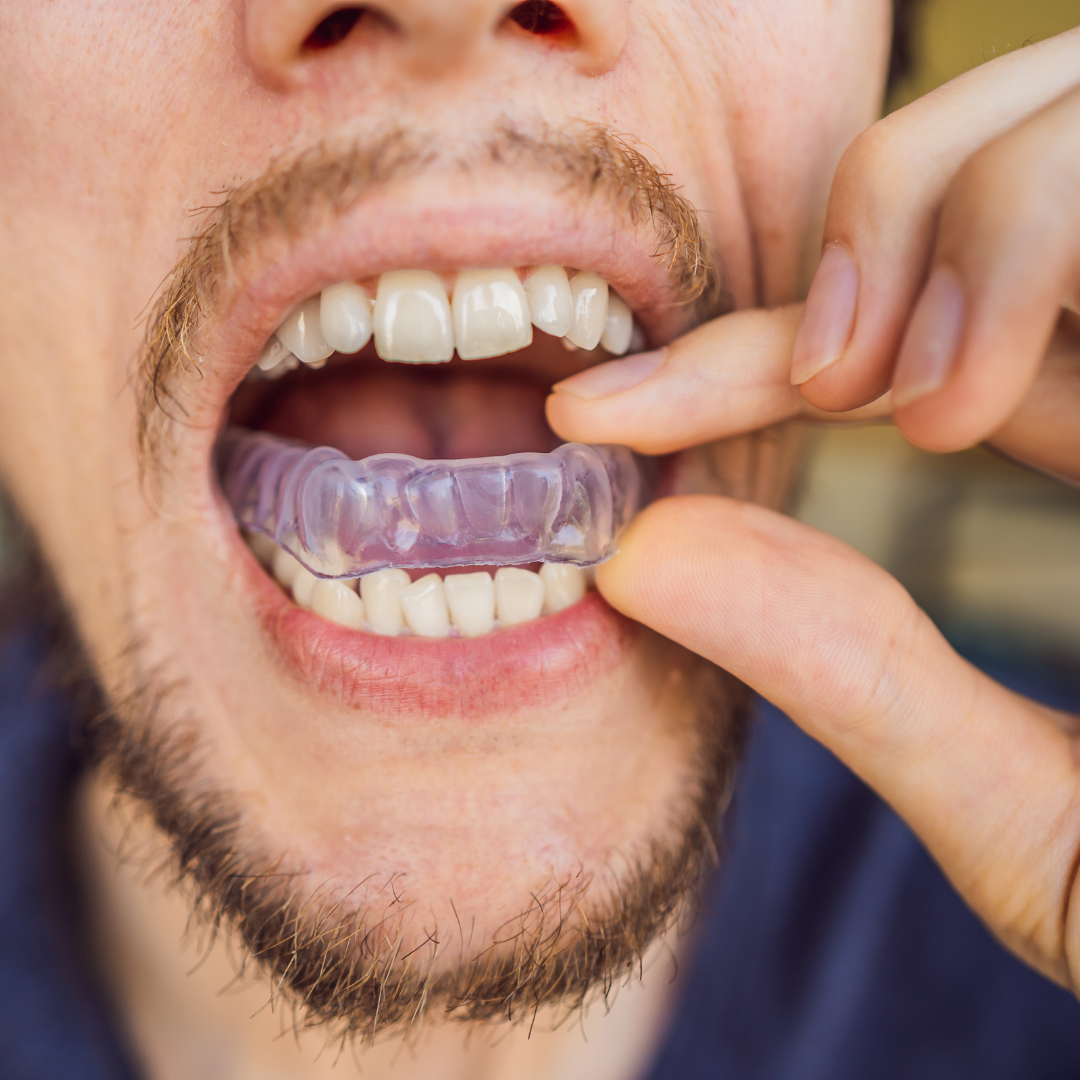
A custom nightguard is a thin, comfortable appliance worn while you sleep. It cushions your teeth so they no longer grind directly against each other, absorbing the pressure and protecting your enamel and jaw. If you suspect you grind your teeth, request an appointment at Valley Dental Turlock and Dr. Tannaz Ahmadi can examine your teeth, confirm the signs, and fit you for a guard made just for you.