
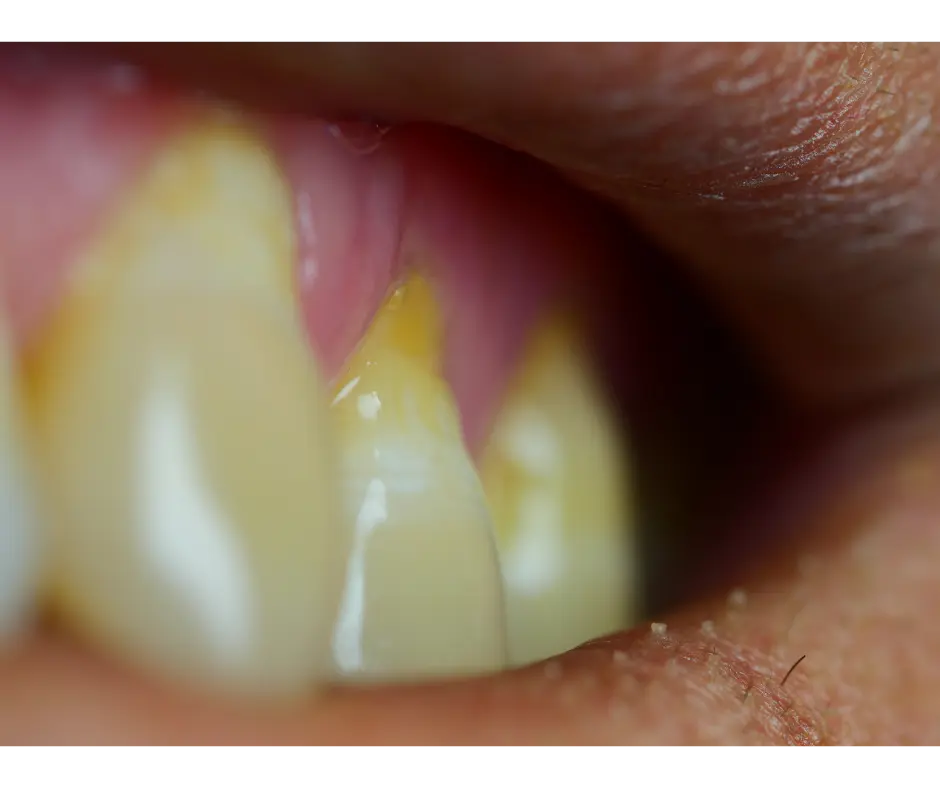
Gingivitis and periodontitis are terms you may have heard at the dentist, and they are often used as if they mean the same thing. In reality, they describe two different stages of gum disease, and understanding the difference can help you take action at the right time.
At Valley Dental Turlock, we want patients to feel informed about their gum health. Here is a clear, side-by-side look at how these two conditions compare.
What is gingivitis?
Gingivitis is the earliest and mildest stage of gum disease. It happens when plaque builds up along the gumline and irritates the gum tissue, causing redness, swelling, and bleeding when you brush or floss. The important thing to know is that gingivitis affects only the gums, not the bone, which means it is usually reversible. With a professional cleaning and improved home care, gums can often return to full health.
What is periodontitis?
If gingivitis is left untreated, it can progress to periodontitis, a more serious stage. Here the infection spreads below the gumline and begins to break down the bone and connective tissue that anchor your teeth. Pockets form between the teeth and gums, gums may recede, and teeth can eventually loosen or shift. Unlike gingivitis, the damage from periodontitis is permanent, which is why early treatment matters so much. In advanced cases, affected teeth may require extraction and replacement options such as implants or dentures.
Key differences at a glance
- Severity: Gingivitis is mild and early; periodontitis is advanced.
- What is affected: Gingivitis affects gums only; periodontitis affects gums, bone, and supporting tissue.
- Reversibility: Gingivitis is usually reversible; periodontitis damage is permanent and managed rather than fully reversed.
- Symptoms: Both can cause bleeding and swelling, but periodontitis adds receding gums, pockets, and loose teeth.
How we tell the two apart
During an exam, we do more than look at your gums. We use a small, blunt-tipped instrument called a periodontal probe to gently measure the depth of the space between each tooth and the surrounding gum. Healthy, shallow readings point to gingivitis or healthy gums, while deeper pockets suggest the infection has reached below the gumline into periodontitis territory. We may also take digital X-rays to check the bone level around your teeth, since bone loss is one of the clearest markers that gum disease has advanced. These quick, comfortable steps let us pinpoint exactly where you are and recommend care that matches your stage rather than guessing.
How we treat each stage
For gingivitis, treatment often involves a thorough cleaning and a refreshed brushing and flossing routine, which is usually enough to return the gums to health. For periodontitis, we may recommend a deeper cleaning below the gumline, sometimes called scaling and root planing, along with ongoing periodontal maintenance to control the infection and protect the bone you have left. The right approach depends on how far the disease has progressed and your overall health. If you are noticing symptoms, request an appointment at Valley Dental Turlock so we can evaluate your gums and create a plan, and feel free to contact us with any questions beforehand.