
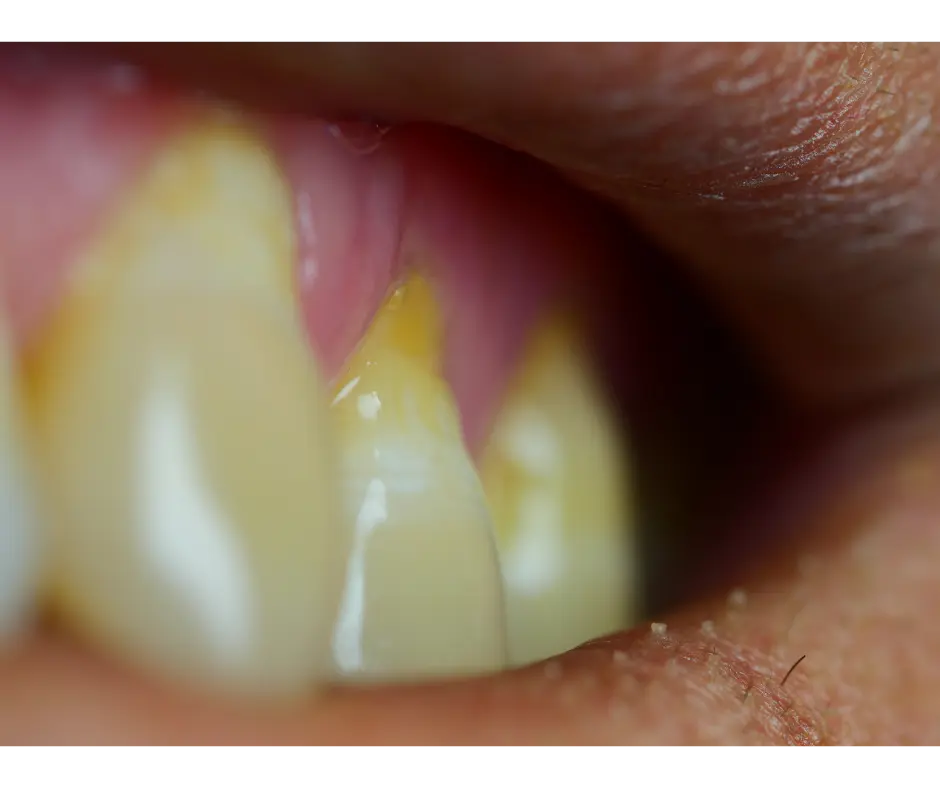
Gum disease often begins quietly, which is exactly why it is so easy to miss. At Valley Dental Turlock, we see many patients who had no idea anything was wrong until their gums started bleeding or pulling away from their teeth. The good news is that the earliest stage is reversible when you catch it in time.
Learning to recognize the early signs of gum disease gives you the best chance to protect your smile, your teeth, and your overall health. Here is what to watch for.
What gum disease is and why it matters
Gum disease (also called periodontal disease) is an infection of the tissues that hold your teeth in place. It starts when plaque, a sticky film of bacteria, builds up along the gumline and is not removed by brushing and flossing. Within a day or two, plaque that is left behind begins to harden into tartar, which can only be removed by a dental professional. Over time that bacteria irritates the gums, and if left untreated it can damage the bone that supports your teeth and lead to tooth loss. Because the early stage rarely hurts, regular cleanings and exams are one of the most reliable ways to catch it before it progresses. Gum health is also linked to your whole body, with research connecting untreated gum disease to conditions such as diabetes and heart concerns, which is another reason not to overlook it.
The most common early warning signs
- Bleeding gums: Pink in the sink when you brush or floss is one of the earliest and most common signs.
- Red, swollen, or tender gums: Healthy gums are firm and pale pink, not puffy or sore.
- Persistent bad breath: Bacteria below the gumline can cause an odor that does not go away with brushing.
- Receding gums: Teeth that look longer than before may signal that the gums are pulling back.
- Sensitivity: Exposed roots from receding gums can make teeth more sensitive to hot and cold.
If you notice any of these, it is worth scheduling an exam. Catching the problem early often means a simple, comfortable treatment rather than a more involved one later.
Who is most at risk
Gum disease can affect anyone, but some people are more vulnerable than others. Smoking and tobacco use are among the strongest risk factors, since they weaken the gums and slow healing. Other common contributors include diabetes, hormonal changes during pregnancy or menopause, certain medications that reduce saliva, a family history of gum problems, and the simple buildup of plaque from inconsistent brushing and flossing. People who grind their teeth may also place extra strain on the gums, which a nightguard can help reduce. Knowing your personal risk helps us recommend the right checkup schedule and home routine. If any of these apply to you, mention it at your next visit so we can keep a closer eye on your gum health.
What happens if you ignore the signs
The earliest stage, gingivitis, is reversible with professional care and good home habits. If it is ignored, it can advance to periodontitis, where the infection reaches the bone and the damage becomes permanent. At that point teeth may loosen or shift, and treatment becomes more extensive, sometimes requiring deep cleaning below the gumline or ongoing periodontal maintenance. In some cases, badly affected teeth need extraction and replacement with dental implants or dentures. Acting early helps you avoid that path entirely, and it is almost always more comfortable and more affordable than treating advanced disease later.
When to see your dentist
If your gums bleed regularly, look inflamed, or simply do not feel right, do not wait for it to clear up on its own. Schedule an exam at Valley Dental Turlock with Dr. Tannaz Ahmadi so we can evaluate your gums and recommend the right next step. For many patients that is a thorough cleaning and a refreshed home-care routine. You can request an appointment online or contact us with any questions.