
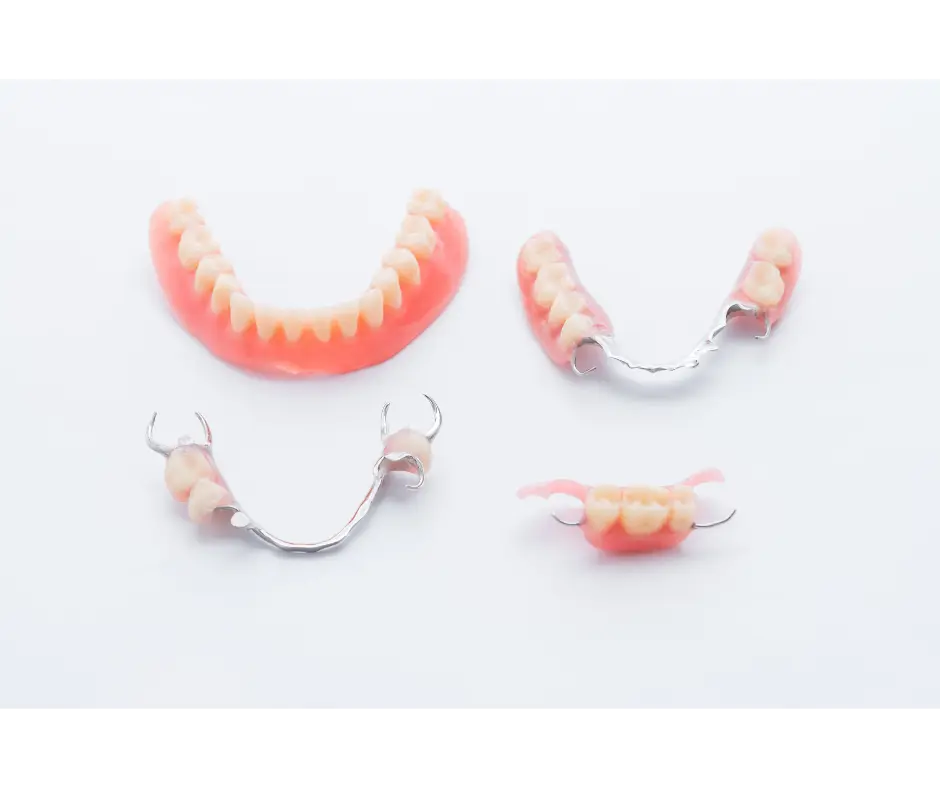
Getting used to new dentures takes a little time, and that is completely normal. The first few weeks are an adjustment period as your mouth, cheeks, and tongue learn to work with your new teeth. At Valley Dental Turlock, we want this transition to be as smooth and comfortable as possible.
Here are practical tips to help you settle in faster and feel confident with your new smile.
What to expect at first
In the beginning, new dentures may feel bulky, and you might notice extra saliva, minor soreness, or a few sore spots. Speaking and eating can feel different for a short while, and your cheeks and tongue may need time to learn how to keep the denture in place. This is all part of the normal adjustment process, and it improves steadily as your mouth adapts. If a sore spot is persistent or painful, contact us so we can make a quick adjustment for a better fit rather than trying to tough it out.
A week-by-week adjustment guide
Everyone adapts at their own pace, but this general timeline shows what many patients experience.
- Days 1 to 3: Extra saliva and a bulky feeling are common as your mouth gets acquainted with the denture.
- First week: Stick to soft foods and practice speaking; minor sore spots may appear.
- Week 2: Eating and talking start to feel more natural; firmer foods can be added slowly.
- Weeks 3 to 4: Most patients feel noticeably more confident and settled.
Tips for eating comfortably
- Start soft: Begin with soft foods cut into small pieces.
- Chew evenly: Use both sides of your mouth to keep the denture stable.
- Go slow: Take your time and add firmer foods gradually as you gain confidence.
- Be careful with hot foods: Dentures can reduce your sense of temperature, so test before biting.
- Stay hydrated: Sipping water helps with comfort and chewing.
Tips for speaking clearly
Certain words may sound different at first. The best fix is practice. Read aloud, repeat tricky words, and speak slowly until it feels natural again. Reading a book or newspaper out loud for a few minutes a day speeds up the process. Most people adjust within a couple of weeks. If your dentures click or slip while you talk, a small amount of denture adhesive can help, and we can check the fit at a follow-up visit.
Caring for your mouth and dentures
Remove your dentures at night to give your gums a rest, and clean them daily to keep them fresh. Gently brush your gums, tongue, and any remaining natural teeth too, which supports healthy tissue and better circulation. Keep up with routine checkups so we can monitor your fit and oral health over time. If you ever want more stability, ask about implant-supported dentures using dental implants. When you are ready for a follow-up, you can book an appointment with us at any time.