
If you brush and floss faithfully, you might wonder whether you still need a professional cleaning at Valley Dental Turlock. The honest answer is that home care and professional cleanings do different jobs, and you need both to keep your smile healthy for the long run.
Here is how they compare, why each one matters, and how to get the best results from both.
What brushing at home does well
Daily brushing and flossing are the foundation of oral health, and they do the heavy lifting every single day. They remove soft plaque before it hardens into tartar, control the bacteria that cause cavities and bad breath, and keep your gums calm and healthy between visits. Because plaque begins forming again within hours of cleaning, this constant daily upkeep is something no occasional dental visit can replace. No professional cleaning can make up for skipping home care, which is exactly why we always coach patients on good brushing and flossing technique during general dentistry visits. The two-minute routine you do at home is the most powerful tool you have.
What only a professional cleaning can do
- Remove tartar: Once plaque hardens into tartar, only professional instruments can remove it.
- Clean below the gumline: Hygienists reach areas a toothbrush cannot.
- Catch problems early: Cleanings include an exam that spots cavities and gum disease.
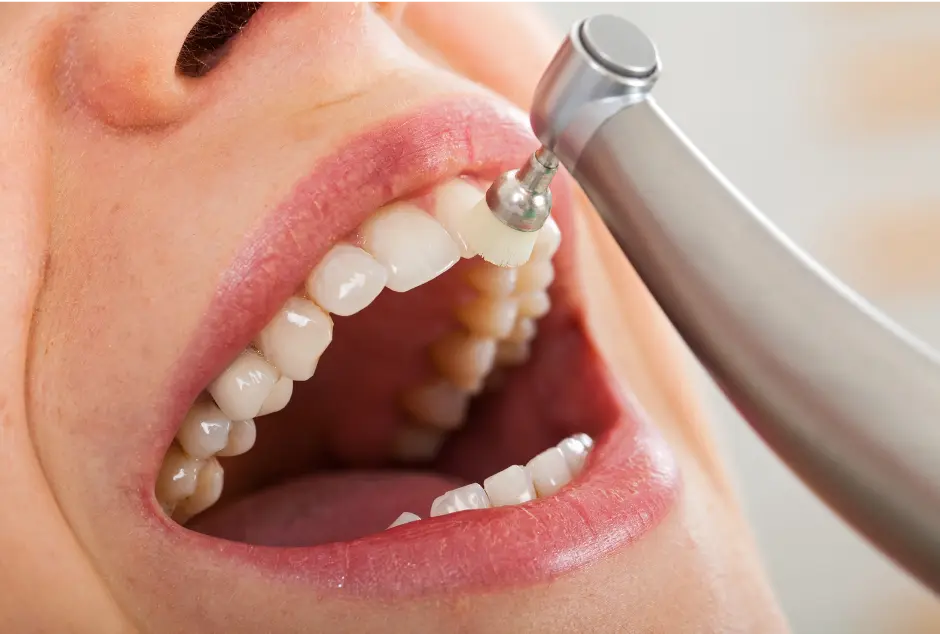
- Polish away stains: Professional polishing removes surface stains brushing leaves behind.
- Protect dental work: Cleanings help maintain implants, crowns, and veneers.
A professional cleaning also gives our team a regular, close-up look at your whole mouth. While we clean, we are watching for the earliest signs of trouble, from a small cavity to a cracked tooth to changes in your gums, that you would have no way of noticing at home. That combination of deep cleaning and trained observation is something a toothbrush, however good, simply cannot replace.
Why you need both
Think of home care and professional cleanings as a team. Brushing and flossing handle the day-to-day, while regular cleanings remove what builds up over time and let us catch issues before they become a root canal or extraction. Together they are the most affordable way to protect your teeth, and they help you avoid bigger, costlier treatment down the road. Skipping either side weakens the whole system: even diligent brushers develop tartar in hard-to-reach spots, and the best professional cleaning fades fast if home care lapses.
Building a home routine that supports your cleanings
- Brush smart: Twice a day for two full minutes with fluoride toothpaste and a soft-bristled brush, angled toward the gumline.
- Floss daily: Once a day reaches the surfaces between teeth that a brush misses, where decay and gum disease often start.
- Replace your brush: Every three to four months, or sooner if the bristles fray.
- Watch your diet: Limit frequent sugary and acidic snacks and drinks, and rinse with water afterward.
- Stay consistent: A steady routine keeps plaque under control between professional visits.
Not sure your technique is doing the job? We will happily demonstrate at your next cleaning.
When home care has not kept up
If it has been a while since your last cleaning, or if home care slipped for a stretch, do not let that keep you from coming back. When tartar has built up below the gumline and the gums have become inflamed, we may recommend a deeper cleaning called scaling and root planing, which removes hardened deposits from the root surfaces and helps the gums reattach. It is a routine, comfortable procedure that often turns around early gum disease and gets you back on a normal schedule. There is no judgment here; our job is simply to help you move forward. The sooner you return, the easier and less involved that fresh start tends to be.
When to come in sooner
Home care keeps most problems at bay, but some signs mean it is time to see us before your next scheduled cleaning. Reach out if you notice gums that bleed regularly, persistent bad breath, loose teeth, ongoing sensitivity, or a tooth that suddenly hurts when you bite. These can be early signals of decay or gum disease that home care alone will not resolve, and waiting often lets a small issue grow into a larger one. Catching them early almost always means simpler, less expensive treatment and less time in the chair. The same goes for a lost filling, a chipped tooth, or new swelling, all of which are worth a prompt look. You can contact us with questions or book an appointment any time, and our new patient page walks you through your first visit.