
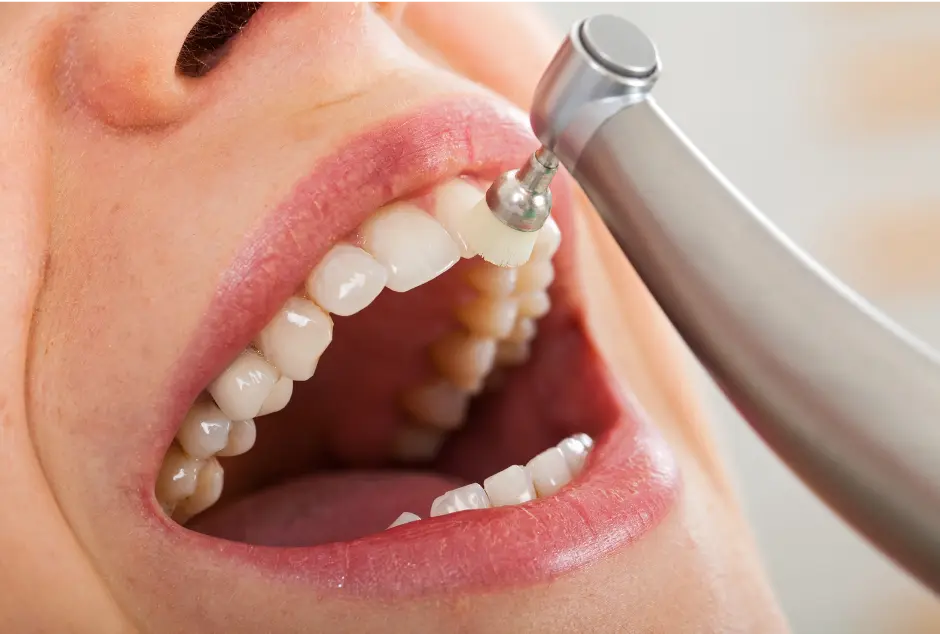
One of the most common questions we hear at Valley Dental Turlock is how often you really need a professional dental cleaning. For most healthy patients the answer is every six months, but the right interval can be different depending on your gum health, your habits, and your overall risk factors.
Here is how to figure out the schedule that keeps your smile healthiest, what affects it, and how to make the most of every visit.
The standard: every six months
For most people, a cleaning and exam twice a year is the sweet spot. Even with great brushing and flossing, plaque hardens into tartar within a day or two, and once it does, only professional instruments can remove it. The six-month rhythm matches how quickly tartar tends to rebuild for the average patient, which is why it has become the trusted default. Six-month visits also let Dr. Tannaz Ahmadi catch cavities, cracks, and early gum disease while they are small and easy to treat, often before they cause any pain or require a root canal or extraction. Think of it less as a chore and more as an inexpensive insurance policy for your smile, one that pays off by keeping you out of the chair for bigger procedures down the road. For most patients who keep up with home care and have no special risk factors, this twice-a-year rhythm is all they ever need.
When you may need more frequent cleanings
- Gum disease: Patients with gingivitis or periodontitis often need cleanings every 3 to 4 months.
- Smoking: Tobacco raises the risk of gum disease and staining.
- Diabetes: Higher infection risk can call for closer monitoring.
- Pregnancy: Hormonal changes can inflame gums and may warrant extra visits.
- Heavy tartar buildup: Some people simply form tartar faster than others.
A history of frequent cavities, a dry mouth from certain medications, or a lot of existing dental work can also tip the balance toward more frequent visits. The goal of a tighter schedule is not to sell extra appointments; it is to stay ahead of conditions that can flare up quickly between visits, especially gum disease, which tends to progress in the months when no one is cleaning below the gumline. We tailor your recall schedule to your needs rather than applying a one-size-fits-all rule, and we are glad to space visits out again once your mouth is stable and healthy.
Why regular cleanings matter
Routine cleanings do far more than polish your teeth. They remove the bacteria that drive cavities and gum disease, freshen your breath, and protect investments like implants, crowns, and veneers. They are also one of the most affordable forms of general dentistry, since preventing problems costs far less than treating them later. There is a whole-body angle too: research links oral bacteria and chronic gum inflammation to conditions like heart disease and poorly controlled blood sugar, so keeping your mouth healthy supports your general health as well.
How to make the most of your visits
Your cleaning schedule works best when paired with strong home care. Brush twice a day for two minutes with fluoride toothpaste, floss once daily, and limit frequent sugary or acidic snacking that feeds decay-causing bacteria. Bring a list of any changes you have noticed, such as bleeding gums, sensitivity, or a tooth that catches food, so we can address them while you are in the chair. Replacing your toothbrush every three to four months and drinking plenty of water also help between appointments. If you have crowns, bridges, implants, or other dental work, mention it so we can make sure you are cleaning around it properly, since those areas need a little extra attention. The better your daily routine, the more likely you are to stay on a comfortable six-month schedule rather than needing more frequent care, which saves you both time and money over the years.
Insurance and scheduling
Most dental plans include two cleanings and exams per calendar year as preventive care, often at little or no out-of-pocket cost, and many plans cover additional cleanings for patients managing gum disease. Because these benefits typically reset each year and do not roll over, scheduling both visits keeps you from leaving coverage unused. We are happy to review your plan with you; see our financial page for details on insurance and payment. If you do not have insurance, do not let that stop you, since preventive cleanings are among the most affordable care we offer and we are glad to talk through your options. Ready to get on the calendar? Book an appointment or contact us and we will find a time that works for your schedule.