
The phrase root canal can sound intimidating, but the procedure is really about relieving pain and saving a tooth that might otherwise be lost. The first step is knowing when one might be needed.
At Valley Dental Turlock, we want patients to recognize the warning signs early, because a tooth treated sooner is usually easier to save. Here are the symptoms that may point to a root canal.
What a root canal actually treats
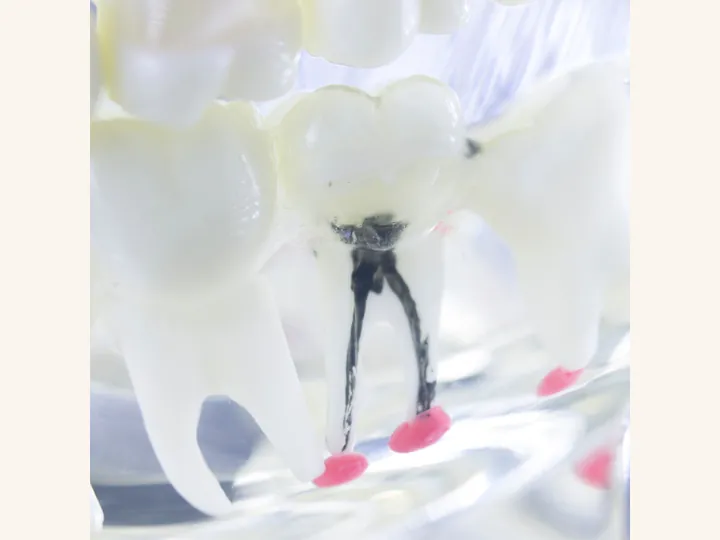
Inside every tooth is a soft center called the pulp, which contains nerves and blood vessels. When deep decay, a crack, or an injury lets bacteria reach the pulp, it can become infected or inflamed. A root canal removes that damaged pulp, cleans and seals the inside of the tooth, and lets you keep your natural tooth instead of needing an extraction. It is one of the most effective ways to stop dental pain at its source.
Symptoms that may signal a root canal
- Lingering pain: A toothache that keeps coming back or persists, especially when chewing or applying pressure.
- Sensitivity that lingers: Pain from hot or cold that lasts well after the source is gone.
- Swelling or tenderness: Swollen, tender gums near a specific tooth, sometimes with a small bump.
- Discoloration: A tooth that darkens may signal damage to the pulp inside.
- A chipped or cracked tooth: Cracks can let bacteria reach the pulp and cause infection.
Not every toothache means a root canal, but these symptoms are worth a prompt evaluation so we can find the cause.
What to expect at your evaluation
If you come in with any of these symptoms, the visit is straightforward and focused on finding answers. Dr. Tannaz Ahmadi will ask about your pain, including when it started, what makes it better or worse, and whether it wakes you at night. We then examine the tooth and the surrounding gum and take digital X-rays to look at the area below the gumline that the eye cannot see. We may gently test the tooth with cold or light tapping to see how it responds, which helps us tell whether the pulp inside is inflamed or infected. None of this is uncomfortable, and it gives us the information we need to recommend the right care. If a root canal is the answer, we will explain why and what it involves before anything is decided.
Why you should not wait
An infected tooth will not heal on its own, and the infection can spread or worsen if it is ignored. Left untreated, it can develop into an abscess, a painful pocket of infection that may cause swelling in the face or jaw and, in serious cases, affect your overall health. Acting early often makes treatment simpler and gives the tooth the best chance of being saved. Sometimes pain fades temporarily, which can feel like the problem resolved, but the underlying infection usually remains and the nerve may simply have died. If you have any of these symptoms, it is best to have the tooth checked rather than wait and see.
What to do next
If you suspect you need a root canal, request an appointment at Valley Dental Turlock. Dr. Tannaz Ahmadi will examine the tooth, take digital X-rays, and determine the right treatment. If a root canal is needed, we will explain each step and your financing options. After treatment, the tooth is often protected with a dental crown to restore its strength.