
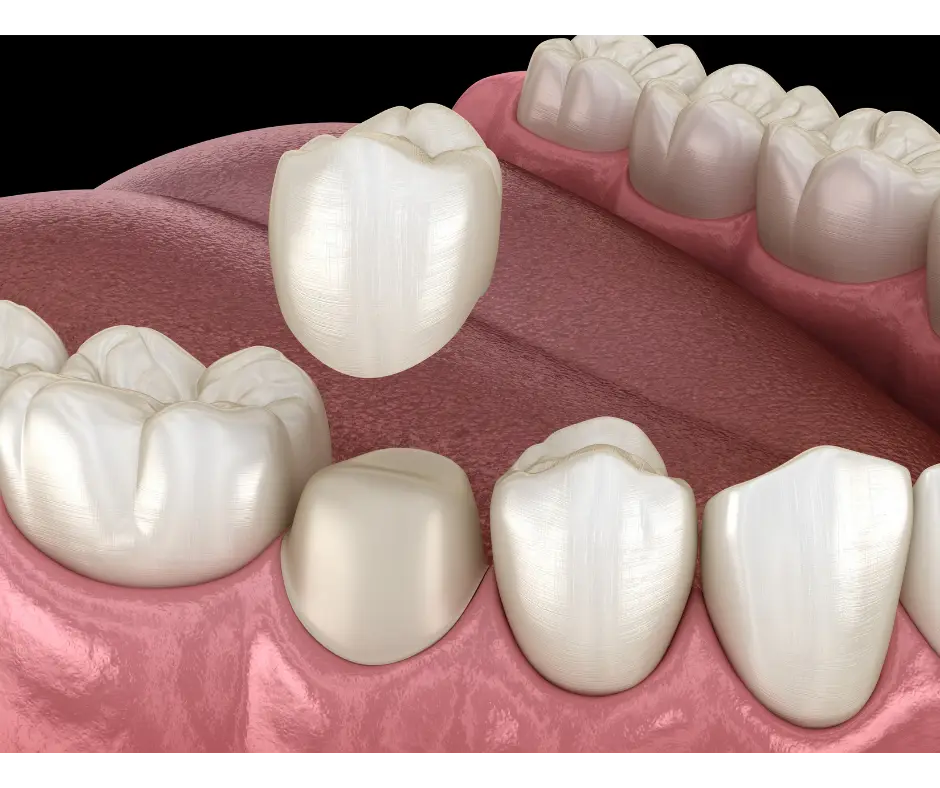
If a tooth is cracked, worn, or weakened, a dental crown can protect it and restore its function. Knowing what to expect makes the process feel simple and stress-free. At Valley Dental Turlock, we keep you comfortable and informed at every step.
Here is a step-by-step look at what getting a crown usually involves.
How to prepare for your visit
There is very little you need to do ahead of time, but a few simple steps make the appointment smoother. Eat a normal meal beforehand, since your mouth may be numb for a couple of hours afterward. Brush and floss as usual, and bring a list of any medications you take. If you are a new patient, complete your forms in advance through our new patient page so check-in is quick. Let us know about any anxiety so we can keep you comfortable.
Step 1: Exam and preparation
We start with an exam and digital X-rays to confirm a crown is the right choice and to check the health of the tooth and surrounding bone. The tooth is then numbed for your comfort and gently shaped so the crown will fit precisely, which creates room for the new cap. If the tooth has significant decay or damage, we may need a filling, a buildup, or other treatment first to give the crown a solid foundation.
Step 2: Impressions and a temporary crown
Once the tooth is prepared, we take a digital scan or impression so your custom crown can be made to match your bite and neighboring teeth. If a lab is making your crown, we place a temporary crown to protect the tooth in the meantime. The temporary keeps you comfortable and looks natural while your final crown is crafted, though it is best to chew on the other side and avoid sticky foods that could pull it loose.
Step 3: Placing your final crown
At your placement visit, we remove the temporary, check the fit and color of your new crown, and make any small adjustments so your bite feels just right. The crown is then bonded securely in place. Most patients are surprised by how natural it looks and feels. From there, simple daily care and routine cleanings and exams keep it in great shape.
Aftercare and comfort
Mild sensitivity for a few days is normal, especially to hot or cold. Brush and floss as usual, and avoid very hard or sticky foods right after placement. If you grind your teeth, a nightguard can protect your new crown from excess pressure while you sleep. Call us if your bite feels off or if you have lingering discomfort; small adjustments are quick and easy. To explore more of what we offer, visit our general dentistry page, or contact us with any questions about your crown.