
If you want a straighter smile, you have two proven paths: traditional braces and clear aligners. Both move teeth into better positions, but they do it in very different ways. At Valley Dental Turlock, we help patients weigh the trade-offs so the choice fits their lifestyle, budget, and goals.
This guide compares the two side by side so you can walk into your consultation already understanding your options.
How clear aligners work
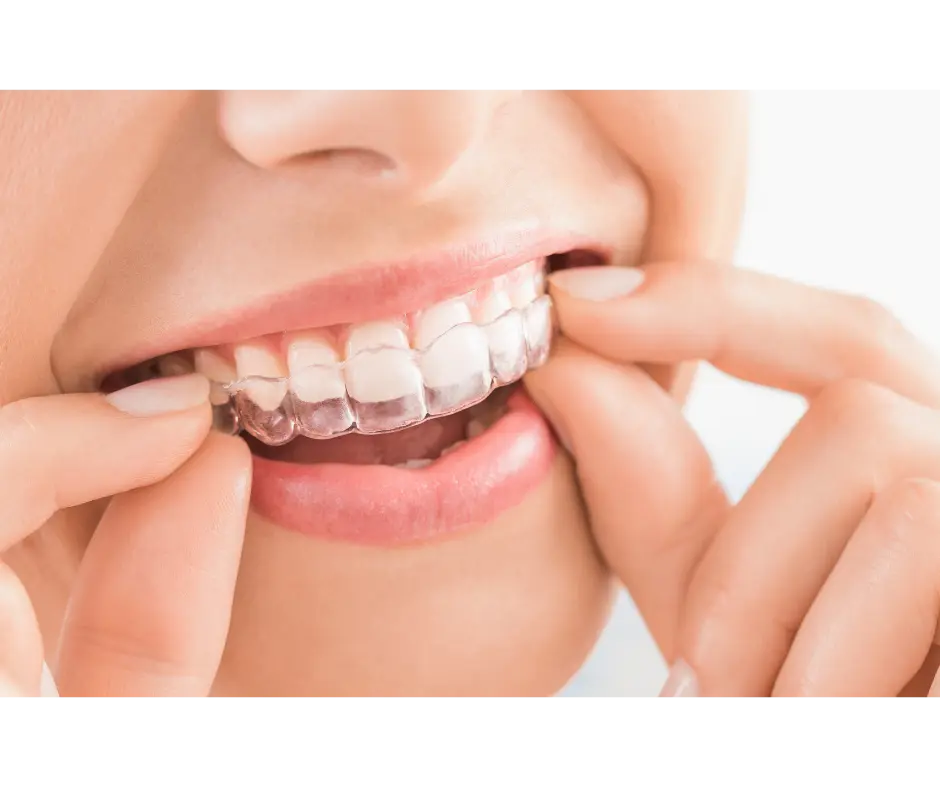
Clear aligners are a series of custom-made, transparent trays that fit snugly over your teeth. After we take a digital scan, a treatment plan maps out how your teeth will move from start to finish, and each tray is engineered to shift them a small, precise amount. You wear each set for about one to two weeks, then switch to the next in the series, gradually guiding your teeth into place. Because they are removable, you take them out to eat and to brush and floss, which makes day-to-day care simple. Some cases use small tooth-colored attachments that give the trays a better grip for certain movements. Most patients wear their aligners 20 to 22 hours a day for the best results.
How braces work
Traditional braces use metal brackets bonded to each tooth and connected by wires that are adjusted over time. They are fixed in place, so they work continuously without relying on you to keep them in. At periodic visits, the wires and elastics are changed to keep your teeth moving in the right direction. Braces remain a very versatile option for complex bite issues, large rotations, and teeth that need to move a long distance, which is why orthodontists still rely on them every day. Tooth-colored ceramic brackets can make them less noticeable for patients who want a more discreet look.
Comparing appearance, comfort, and care
- Appearance: Aligners are nearly invisible; braces are visible, though tooth-colored options exist.
- Comfort: Aligners have smooth edges; braces can irritate the cheeks and lips at first.
- Eating: Aligners come out for meals, so no food restrictions; braces require avoiding hard and sticky foods.
- Hygiene: You brush and floss normally with aligners; braces need extra care to clean around brackets.
- Discipline: Aligners only work if you wear them; braces work automatically.
Good oral hygiene matters with either option, so keep up with routine cleanings and exams throughout treatment.
Cost, insurance, and financing
For many patients, clear aligners and braces fall into a similar price range, though the exact cost depends on how complex your case is and how long treatment takes. Some dental insurance plans include an orthodontic benefit that applies to either option, so it is worth checking your coverage before you decide. If you are paying out of pocket, do not let the upfront number stop you from exploring treatment. We review payment and financing options during your visit and can help you spread the cost into manageable monthly payments. New to the practice? Our new patient page explains what to bring and what to expect at your first appointment.
Which option is right for you?
The best choice depends on the complexity of your case, your daily habits, and your priorities. Clear aligners are an excellent fit for mild to moderate crowding and spacing, while braces may be recommended for more complex movements. If you tend to misplace small items or know you would struggle to keep trays in for 20 hours a day, the fixed nature of braces can be an advantage. If discretion and flexibility matter most, aligners are tough to beat. During a consultation with Dr. Tannaz Ahmadi we evaluate your teeth, discuss your goals, and explain your options clearly. You can also explore other cosmetic dentistry services if you want to enhance your smile further. When you are ready, book an appointment or contact us with any questions.